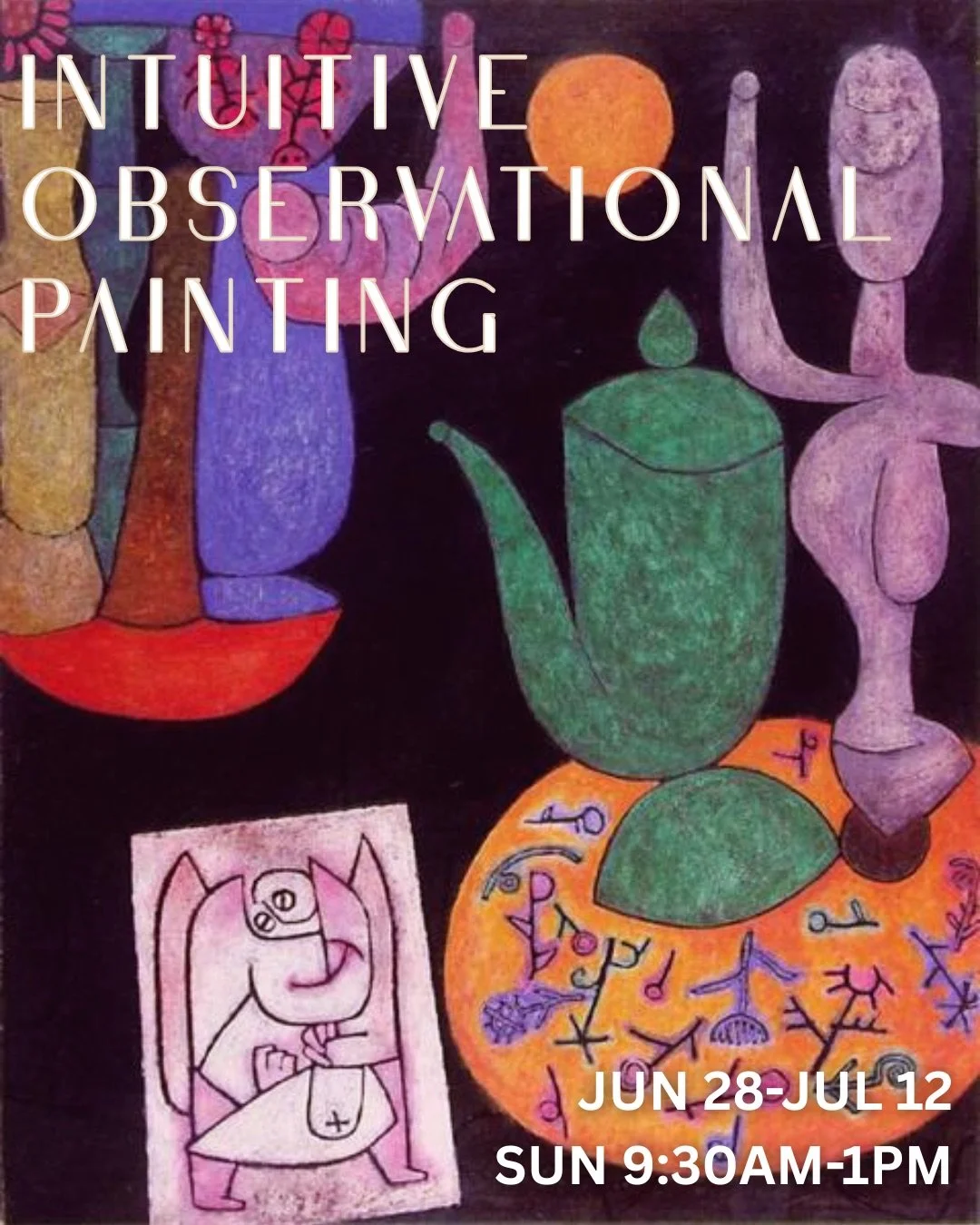
Sundays 9:30 AM to 1 PM
All Levels
Topics include:
Color theory
Color synthesis and efficiency
Color materiality
Relativity, color triads, and limited palette
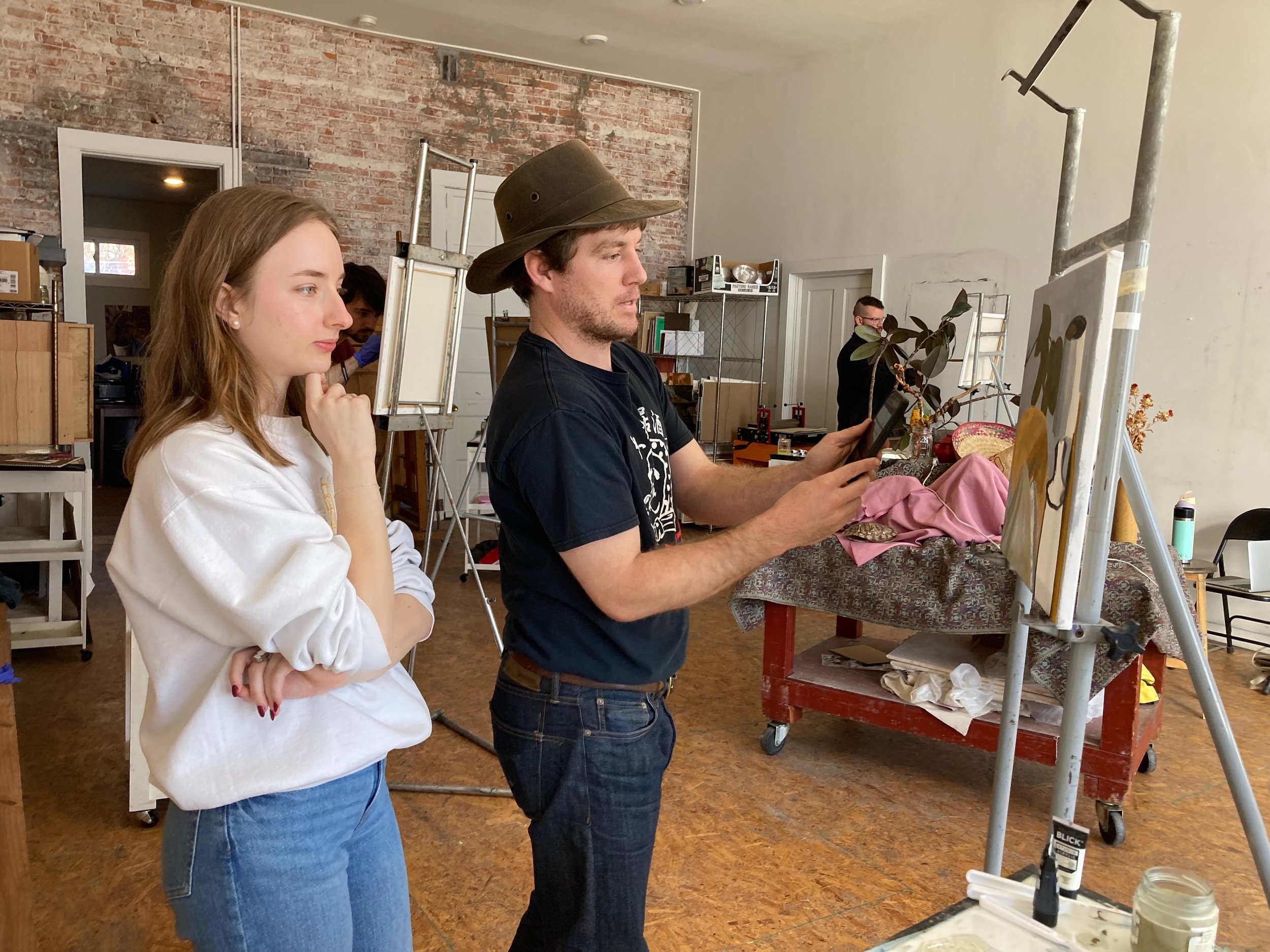
JPA is pleased to bring in Shauna Marley as our resident teacher artist for this workshop. A Philadelphia-based painter, Marley received her BFA from Pennsylvania College of Art & Design and her MFA from Cranbrook Academy of Art. Marley has held various teaching positions in notable institutions, including the New York Studio School and the Philly Art Center.
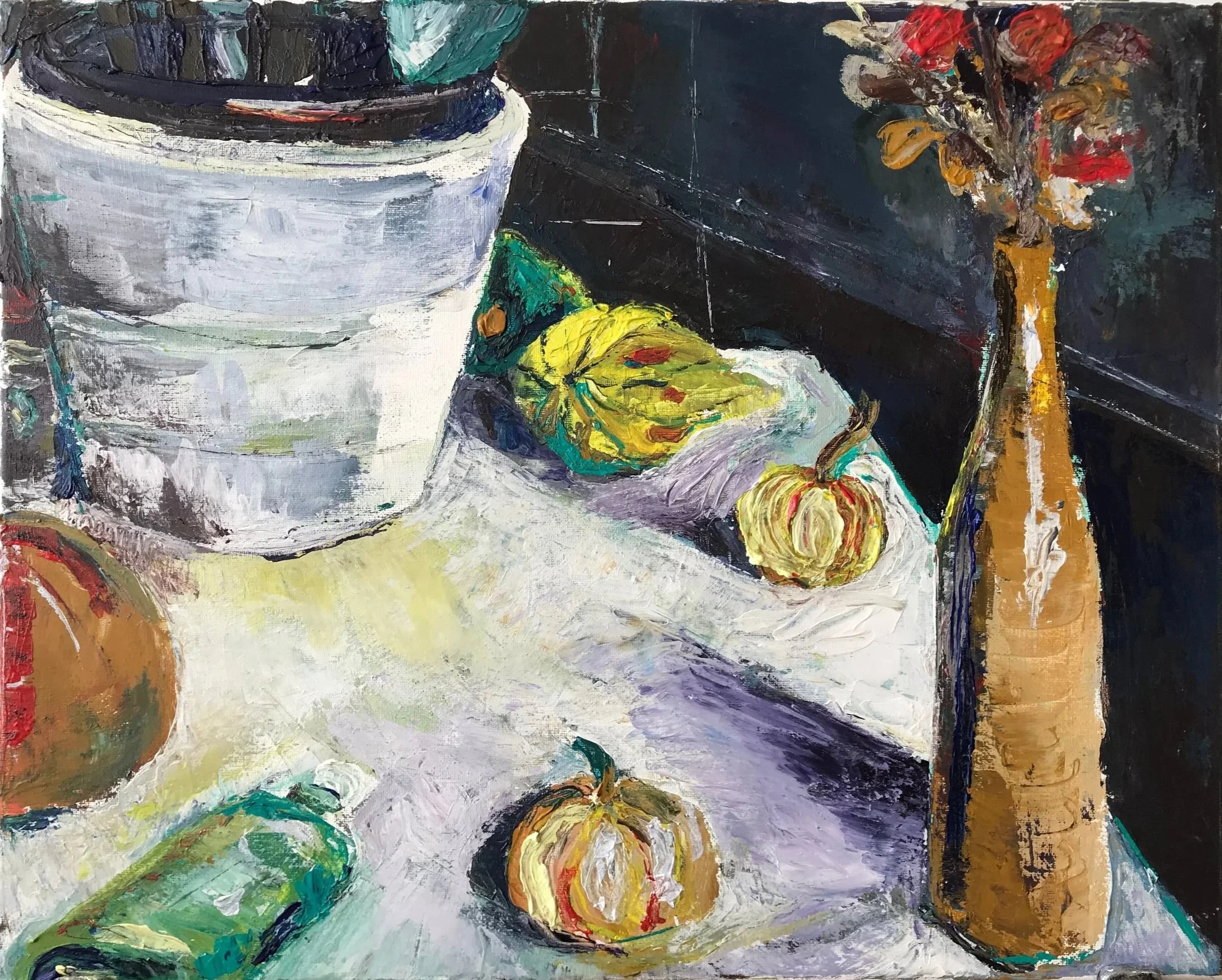
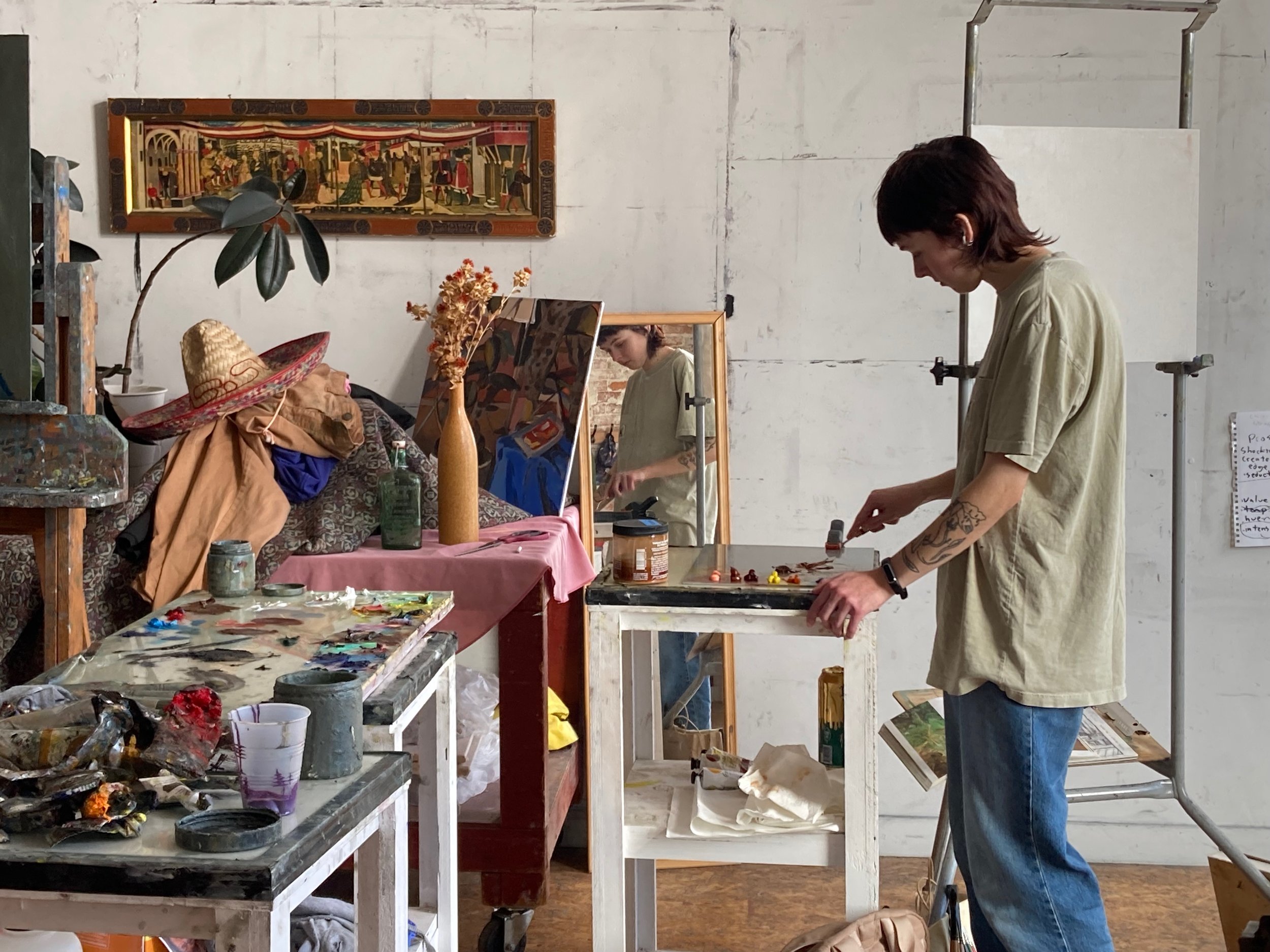
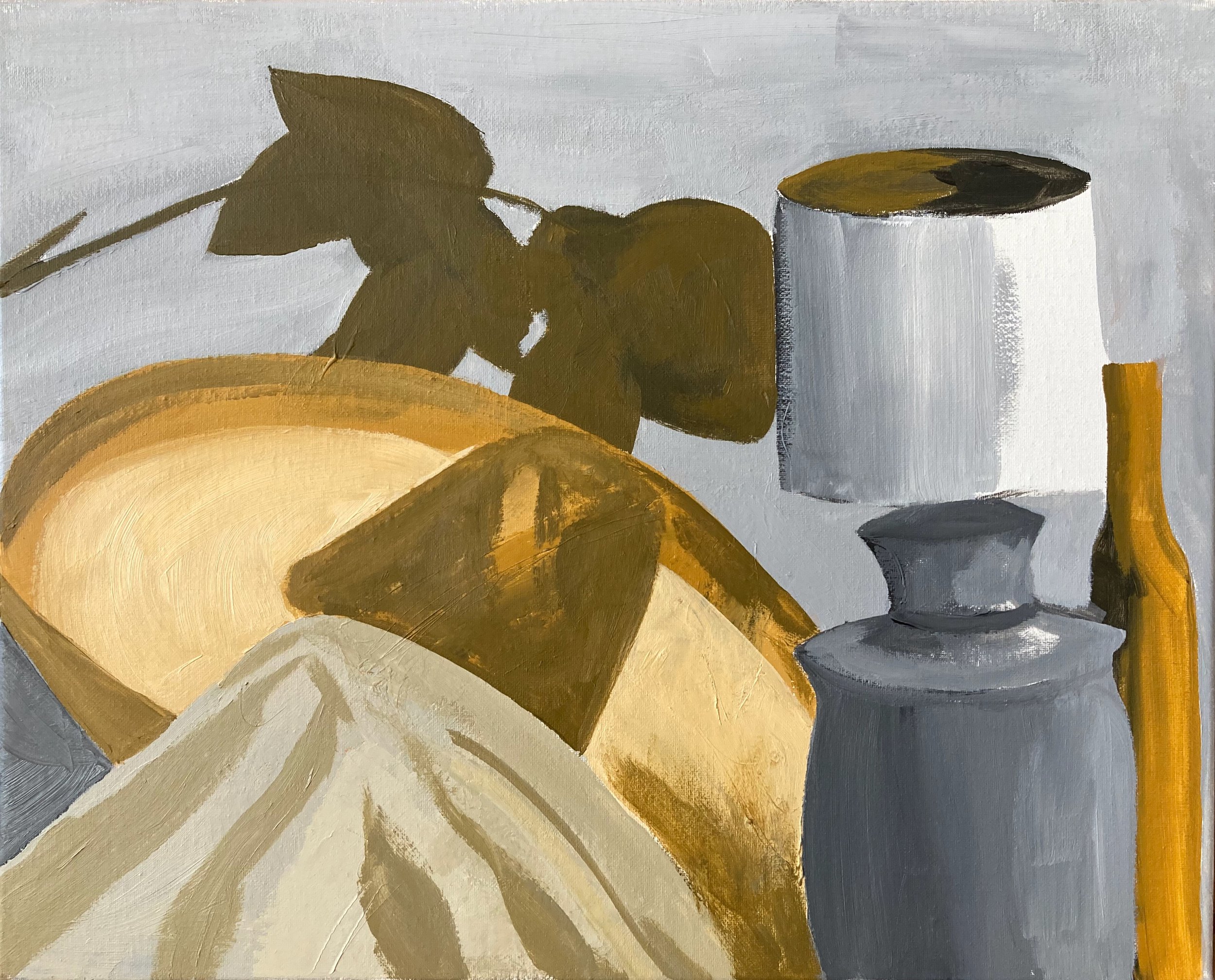
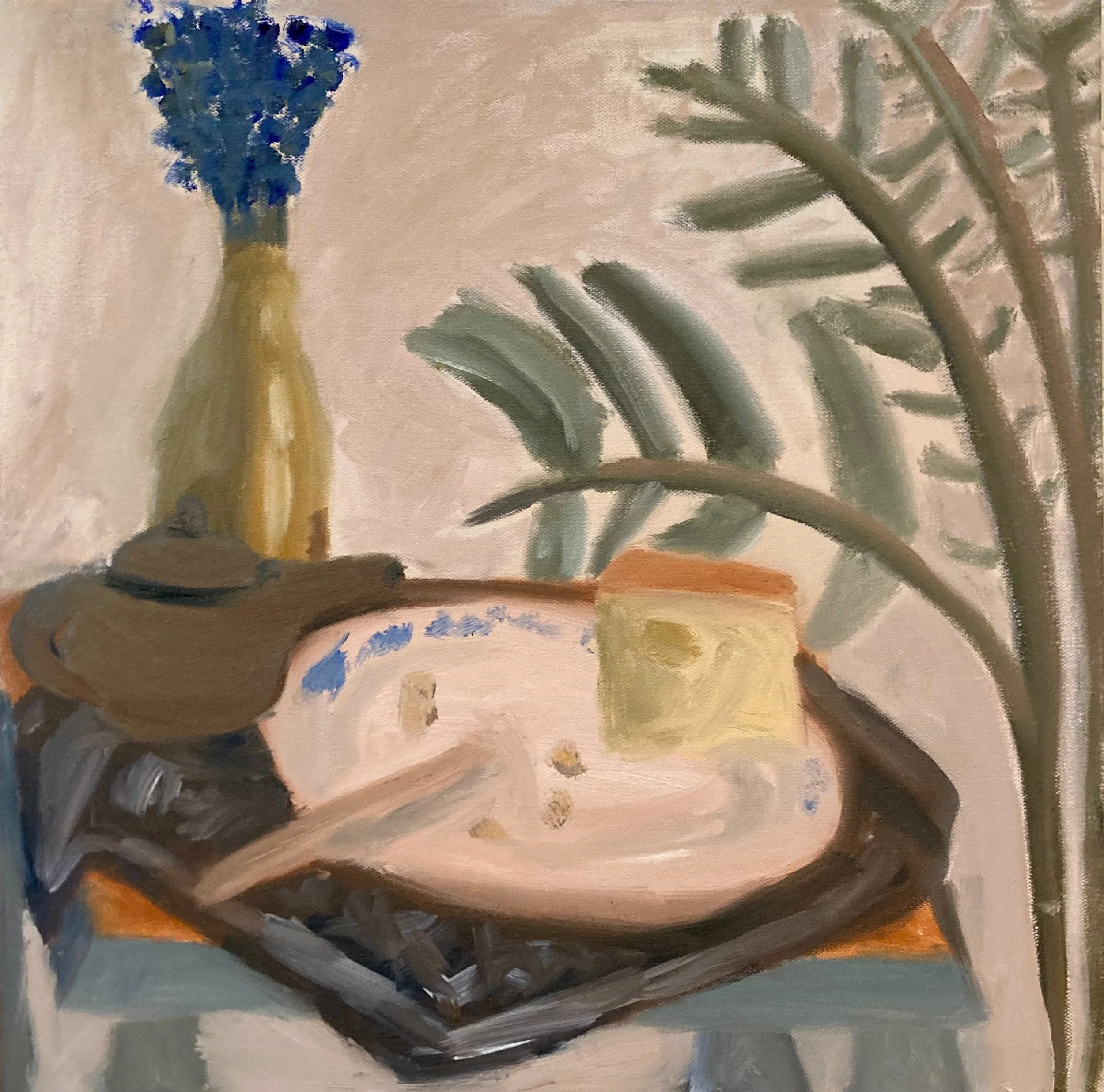
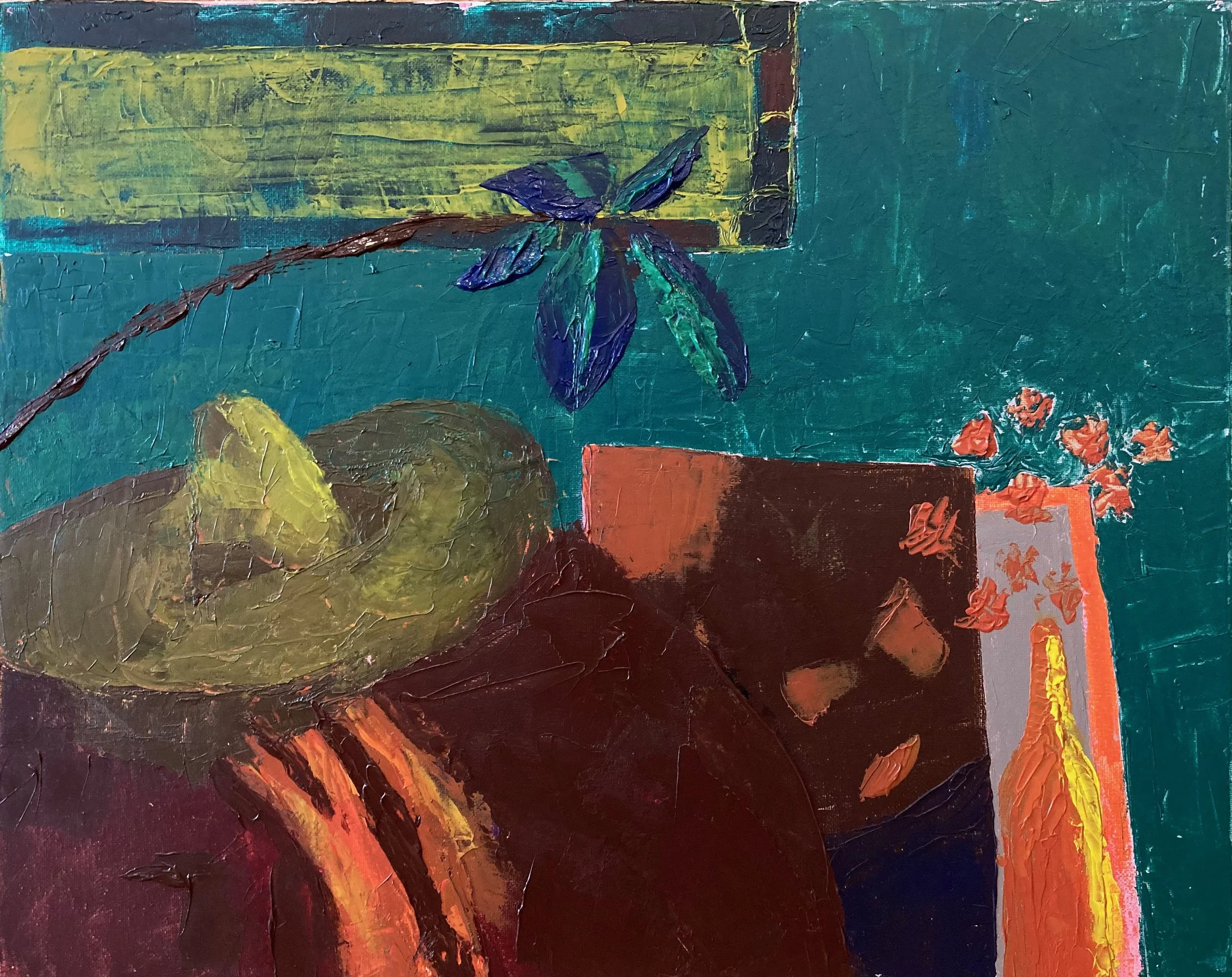
Over four weeks, students will develop a strong foundation in color theory and its practical application in painting. Beginning with the relationships between primary, secondary, and complementary colors, students will explore hue, chroma, and value through exercises focused on creating visual contrast. They will study perceptual versus localized color in historical and observational contexts while working from still life. As the course progresses, emphasis shifts to color mixing and efficiency, encouraging students to synthesize complex visual information into deliberate, specific palettes rather than detailed rendering. Students will then investigate the material qualities of paint, including undertones and mass tones, and learn techniques such as glazing and layered painting starting from an underpainting. In the final week, students will examine color relativity, limited palettes, and tonal harmony, drawing on historical examples to explore how color relationships establish mood and cohesion. By the end of the course, students will be able to mix and apply color with intention, understand its relational dynamics, and use a range of techniques to create unified, expressive paintings.
Week 1: Color Theory
Week 2: Color Synthesis and Efficiency
Week 3: Color and Materiality
Understanding a pigment’s “under tone’ and “mass tone”
Glazing demo and applications (mixing own paint from pigments). Students will be instructed to begin work with an underpainting, a single transparent pigment with a distinct undertone. Students will build up their paintings with an eye towards glazing and a layered approach
Week 4: Relativity, Color Triads, Limited pallets
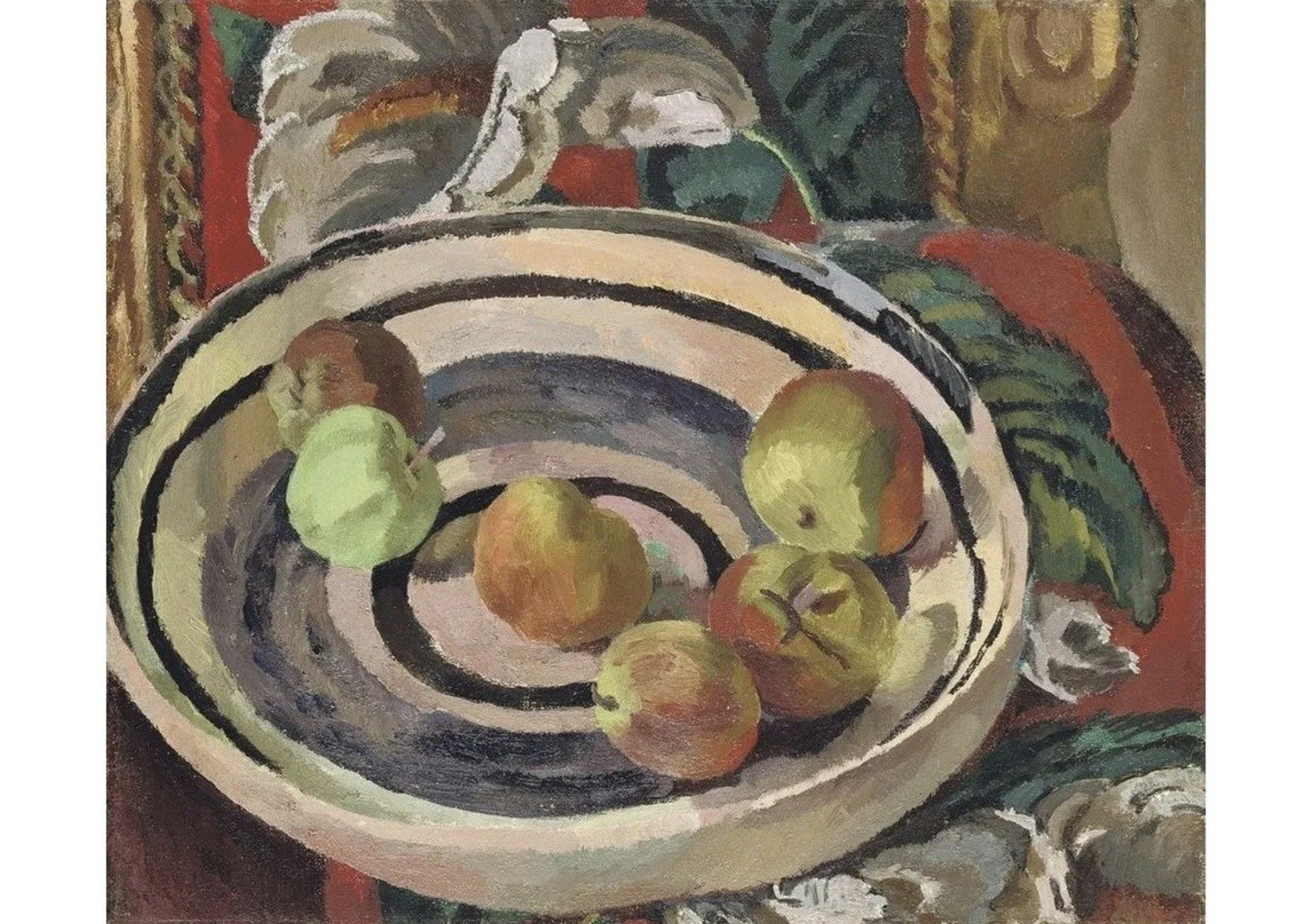
Explore working from life with a low contrast pallet, all paint appearing a similar hue -Poly chrome within monochrome; American Tonalists, Malevich (early), Aaron Douglas, Henery Ossawa Tanner (late)
Supplies List
Supplies needed (Please check in with us if you need alternative arrangements /ideas for supplies):
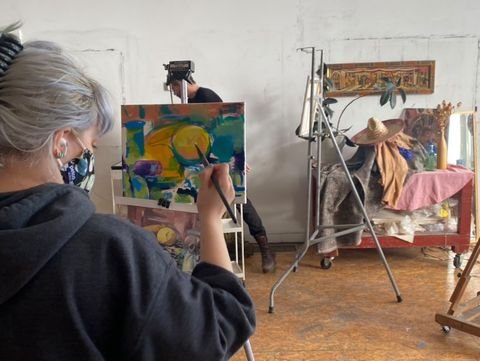
Easels, palettes, and drawing boards will be provided at the studio.
Sundays 9:30 AM to 1 PM
All Levels
Topics include:
Color theory
Color synthesis and efficiency
Color materiality
Relativity, color triads, and limited palette
JPA is pleased to bring in Shauna Marley as our resident teacher artist for this workshop. A Philadelphia-based painter, Marley received her BFA from Pennsylvania College of Art & Design and her MFA from Cranbrook Academy of Art. Marley has held various teaching positions in notable institutions, including the New York Studio School and the Philly Art Center.
Over four weeks, students will develop a strong foundation in color theory and its practical application in painting. Beginning with the relationships between primary, secondary, and complementary colors, students will explore hue, chroma, and value through exercises focused on creating visual contrast. They will study perceptual versus localized color in historical and observational contexts while working from still life. As the course progresses, emphasis shifts to color mixing and efficiency, encouraging students to synthesize complex visual information into deliberate, specific palettes rather than detailed rendering. Students will then investigate the material qualities of paint, including undertones and mass tones, and learn techniques such as glazing and layered painting starting from an underpainting. In the final week, students will examine color relativity, limited palettes, and tonal harmony, drawing on historical examples to explore how color relationships establish mood and cohesion. By the end of the course, students will be able to mix and apply color with intention, understand its relational dynamics, and use a range of techniques to create unified, expressive paintings.
Week 1: Color Theory
Week 2: Color Synthesis and Efficiency
Week 3: Color and Materiality
Understanding a pigment’s “under tone’ and “mass tone”
Glazing demo and applications (mixing own paint from pigments). Students will be instructed to begin work with an underpainting, a single transparent pigment with a distinct undertone. Students will build up their paintings with an eye towards glazing and a layered approach
Week 4: Relativity, Color Triads, Limited pallets
Explore working from life with a low contrast pallet, all paint appearing a similar hue -Poly chrome within monochrome; American Tonalists, Malevich (early), Aaron Douglas, Henery Ossawa Tanner (late)
Supplies List
Supplies needed (Please check in with us if you need alternative arrangements /ideas for supplies):
Easels, palettes, and drawing boards will be provided at the studio.

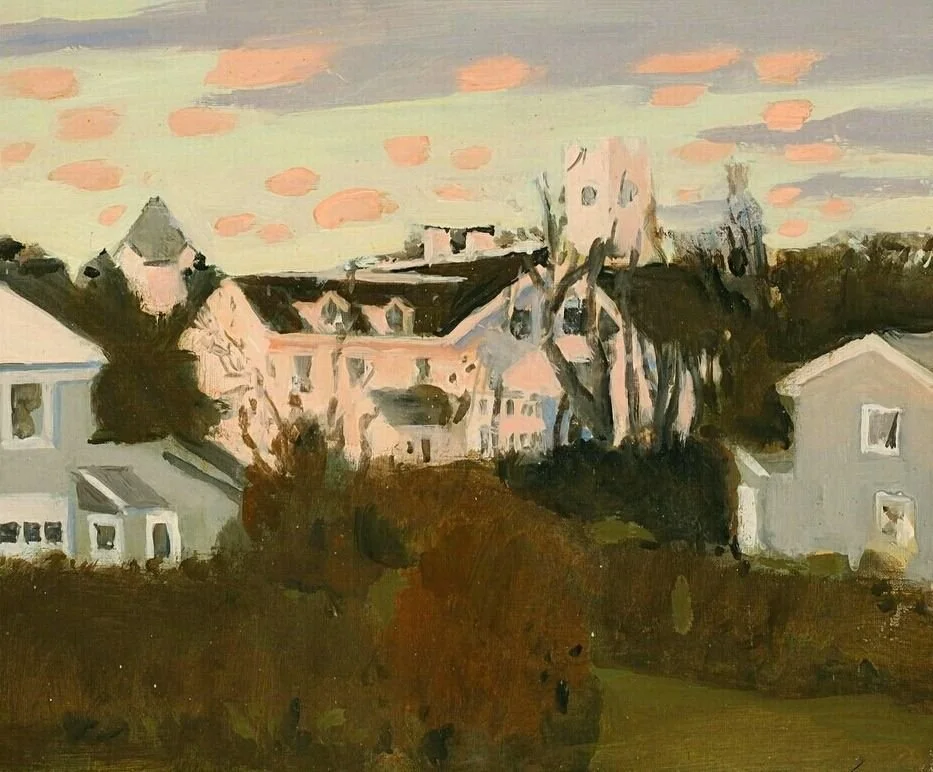 Image 1 of 8
 Image 2 of 8
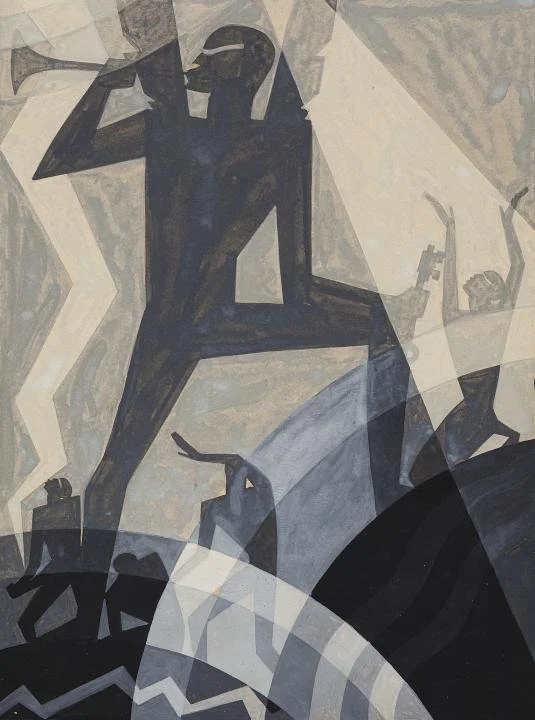 Image 3 of 8
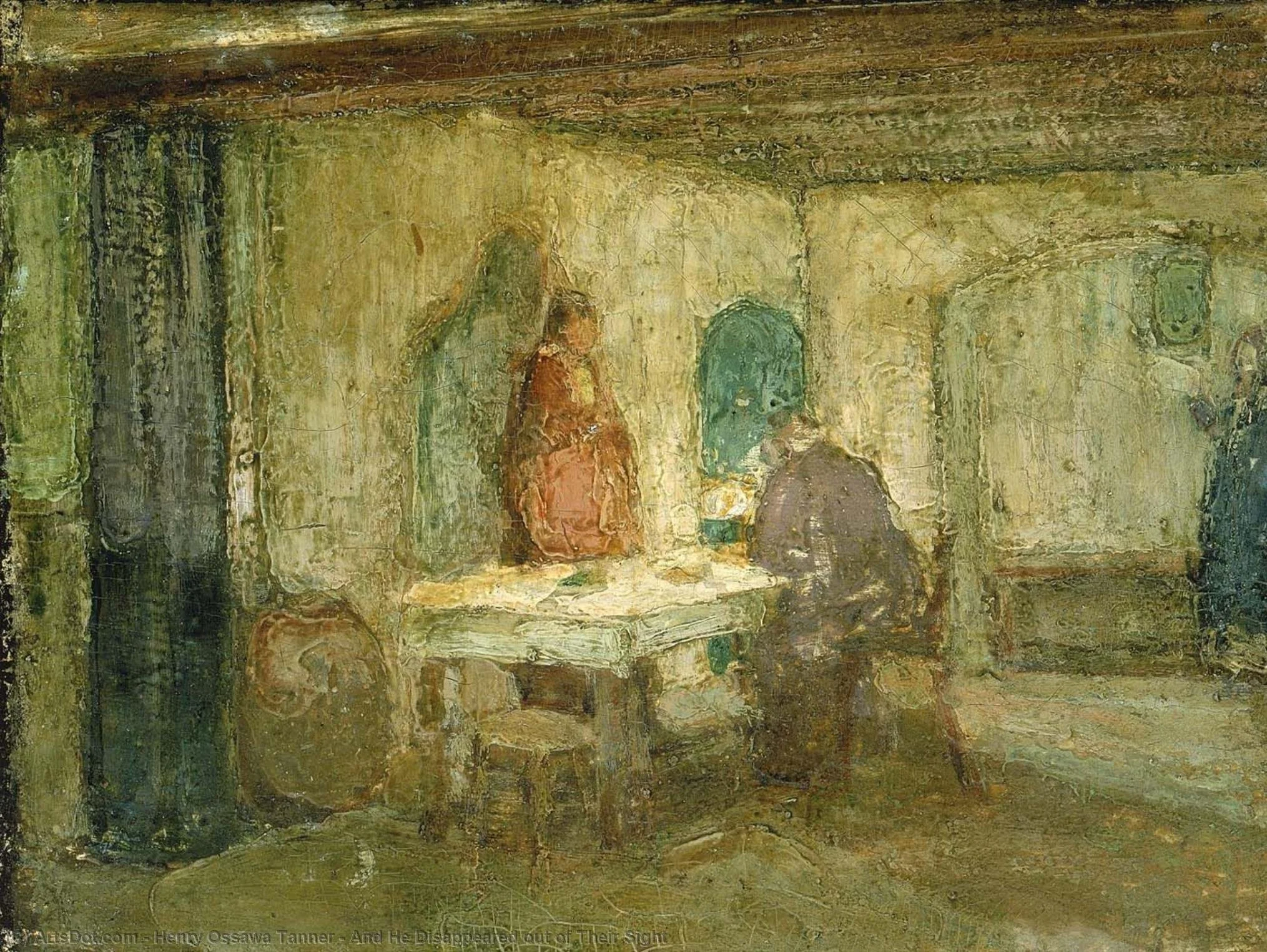 Image 4 of 8
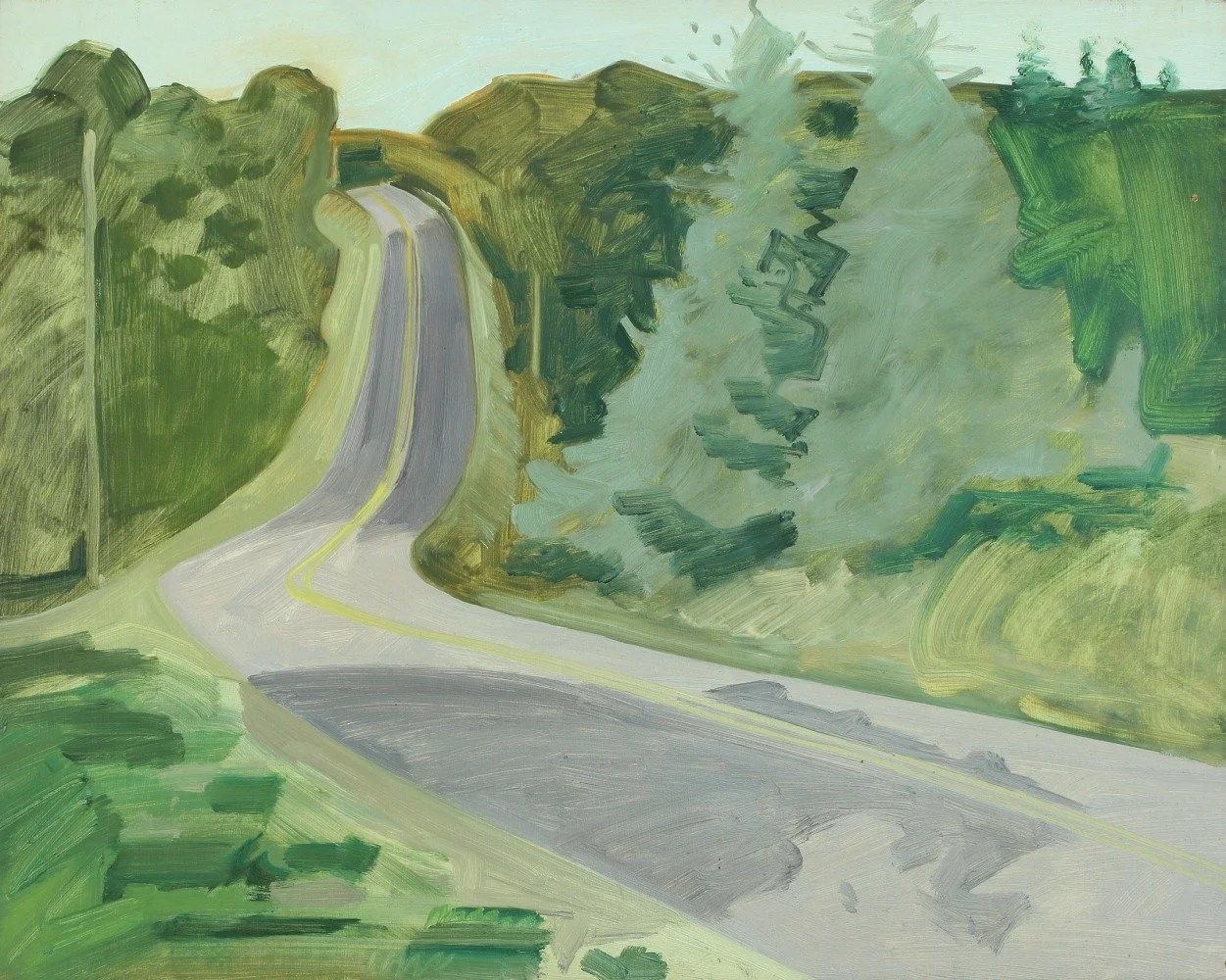 Image 5 of 8
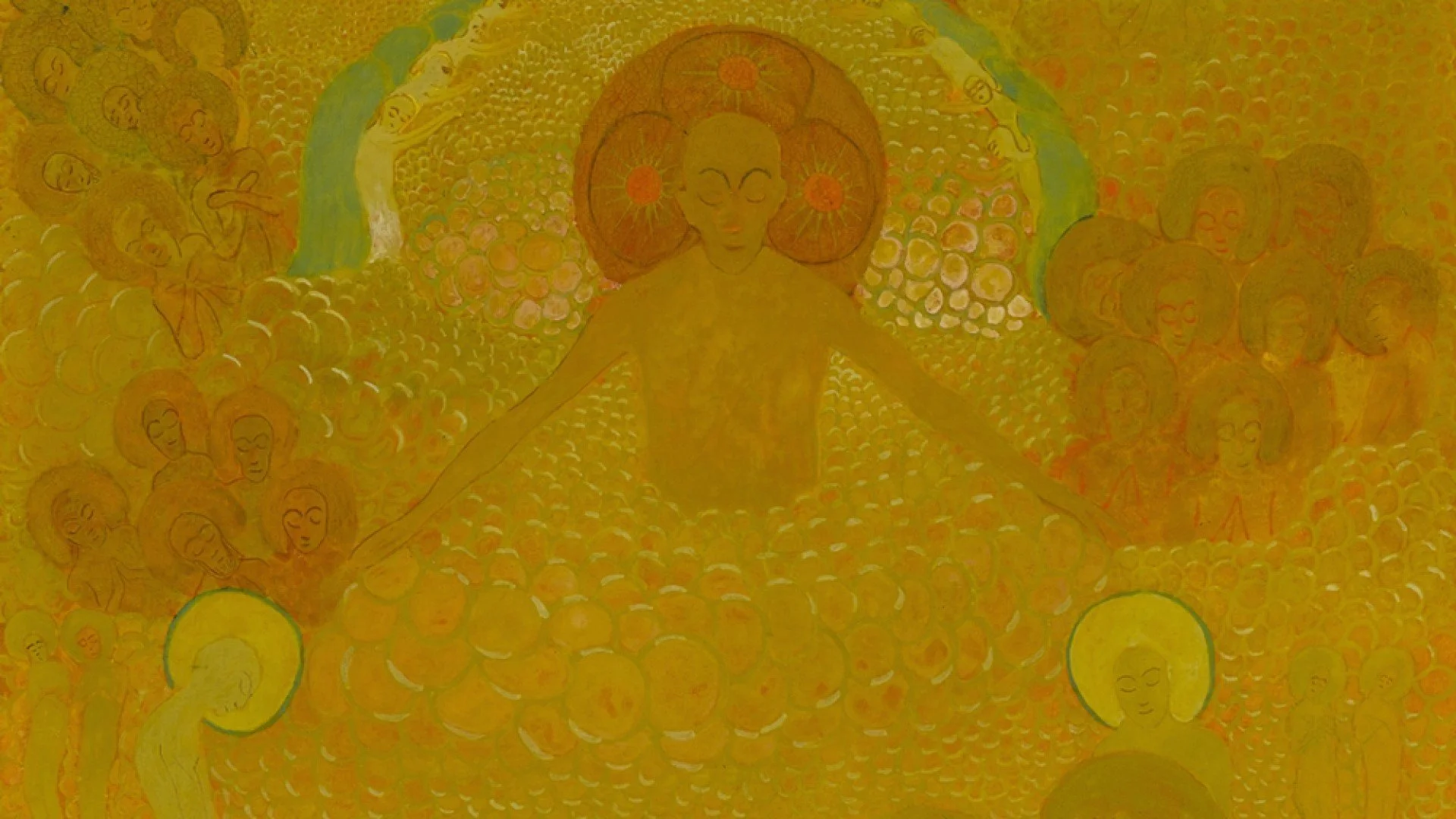 Image 6 of 8
 Image 7 of 8
 Image 8 of 8