Sundays 9:30 AM to 1 PM
All Levels
Early Bird ends May 13
Topics include:
Letting the painting lead
Embracing mistakes and unexpected outcomes
Working with conflicting ideas and instincts
Developing sensitivity to space and atmosphere
Building a cohesive and flexible color palette
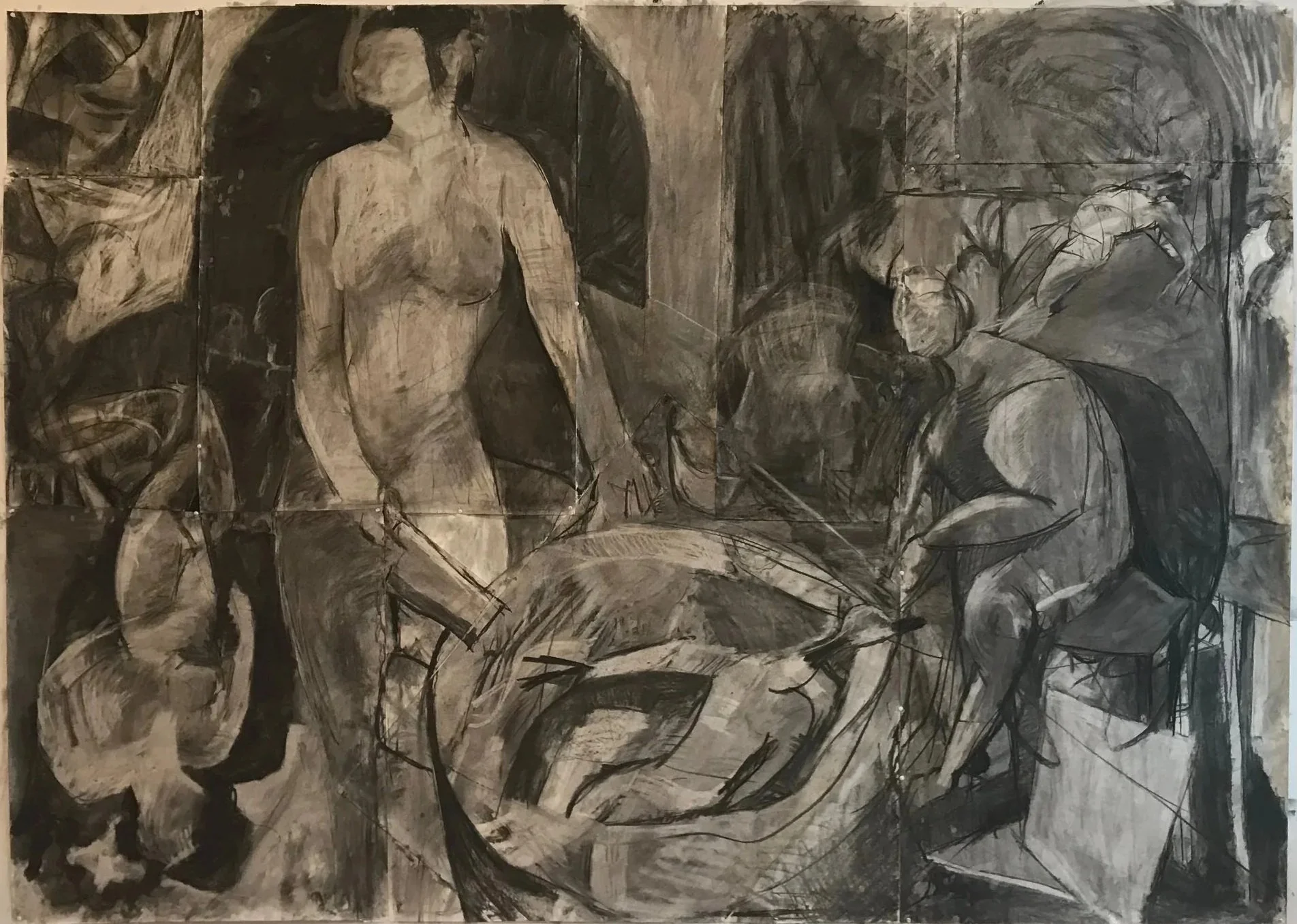
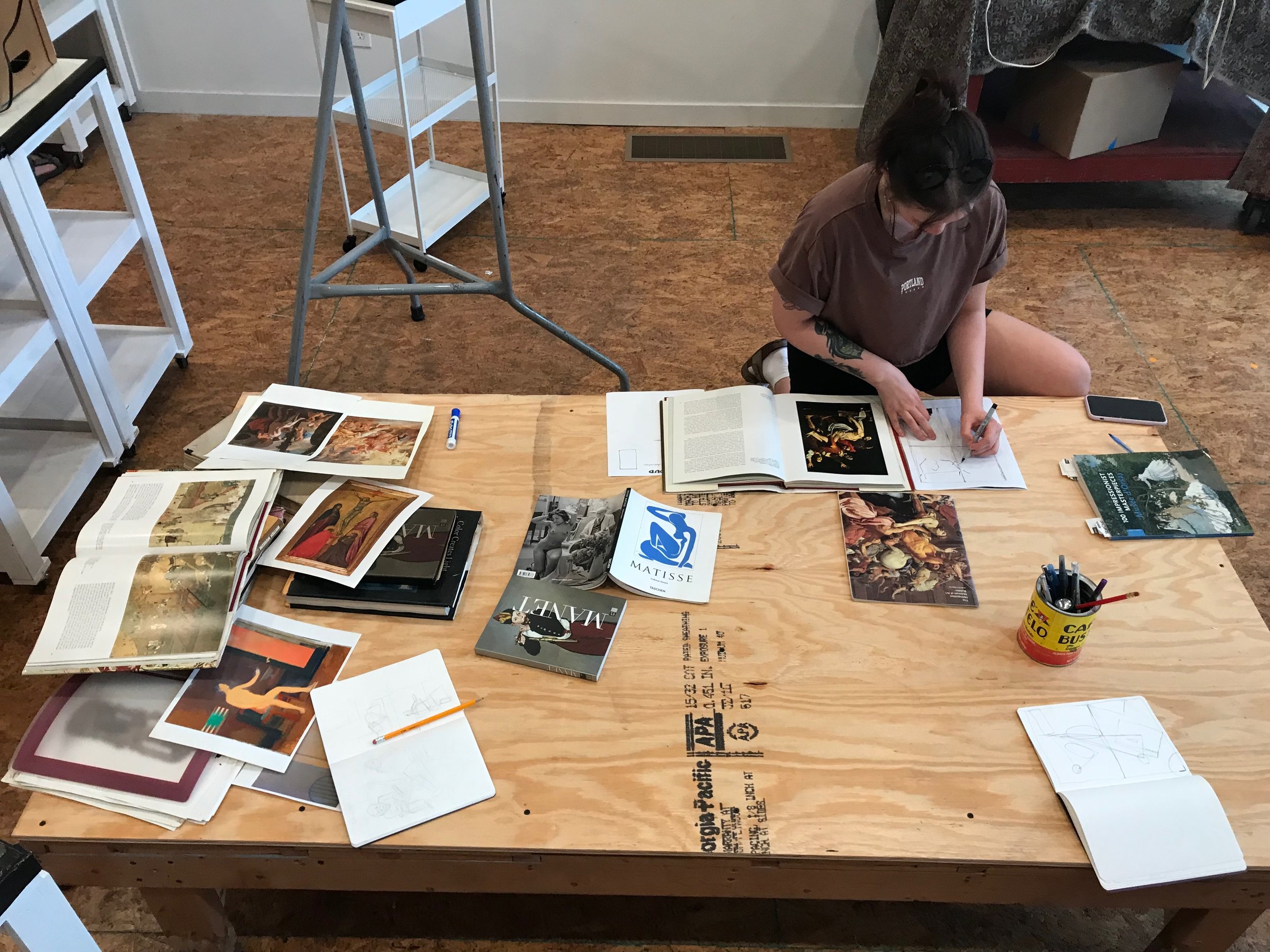
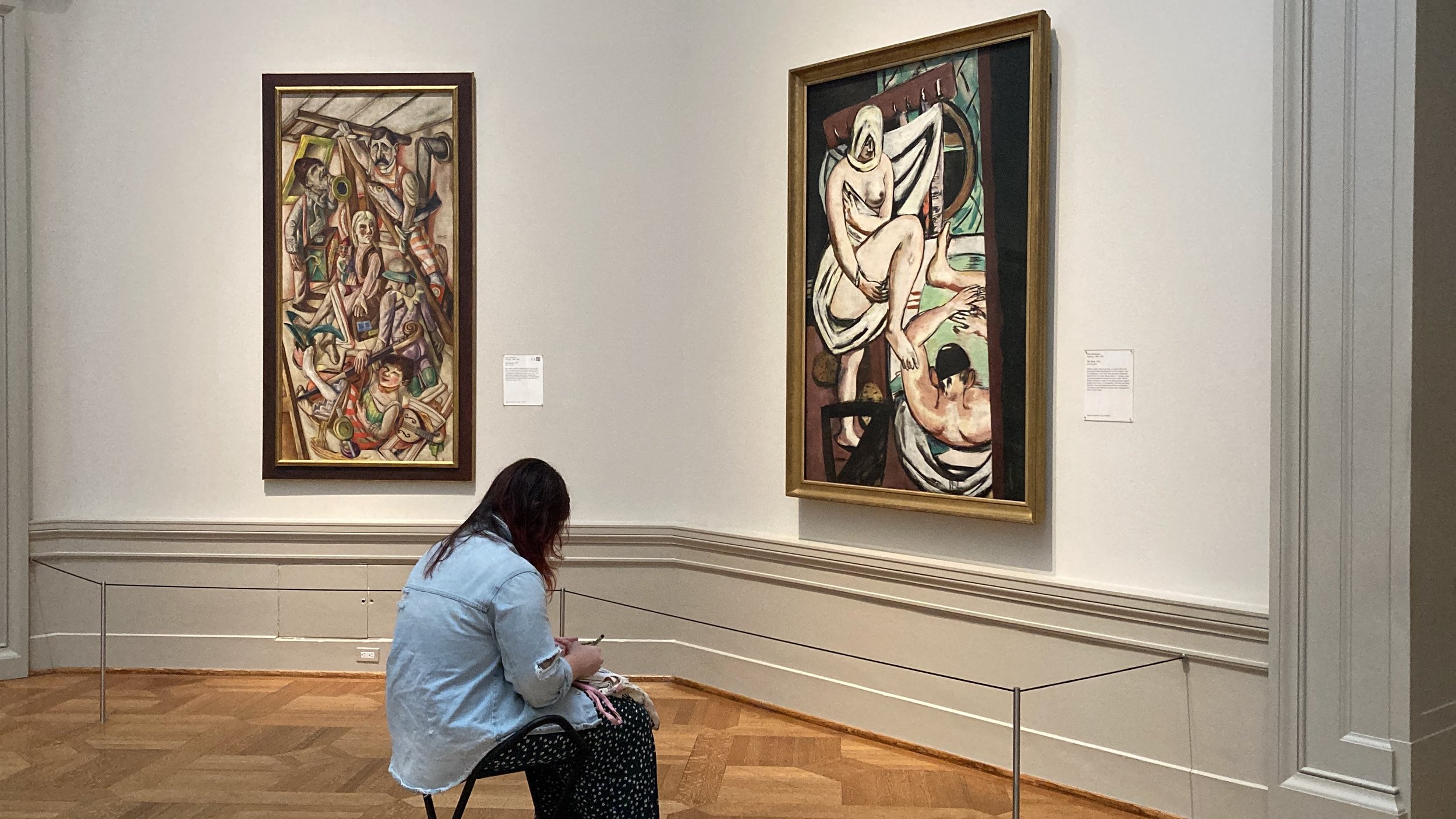
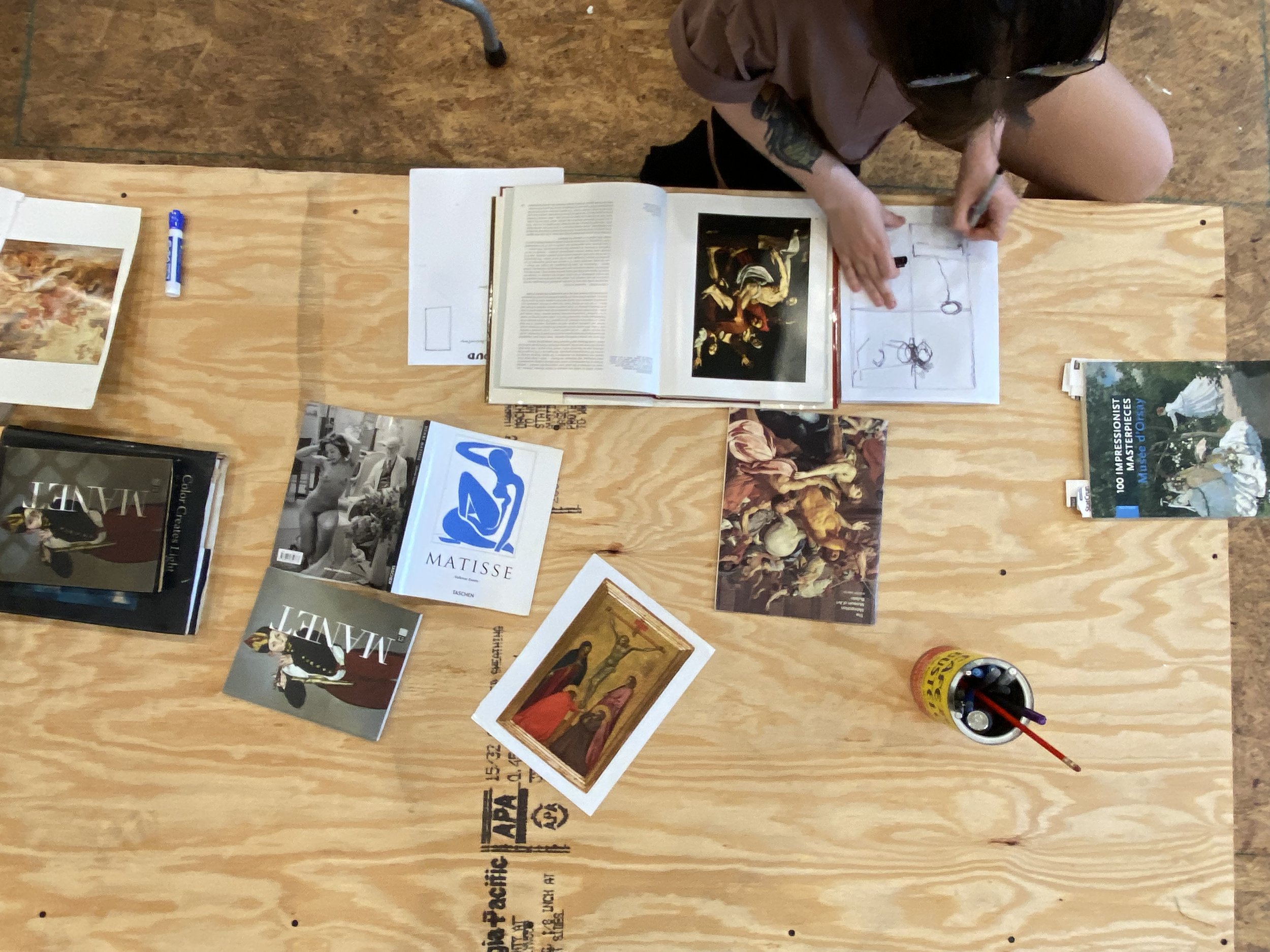
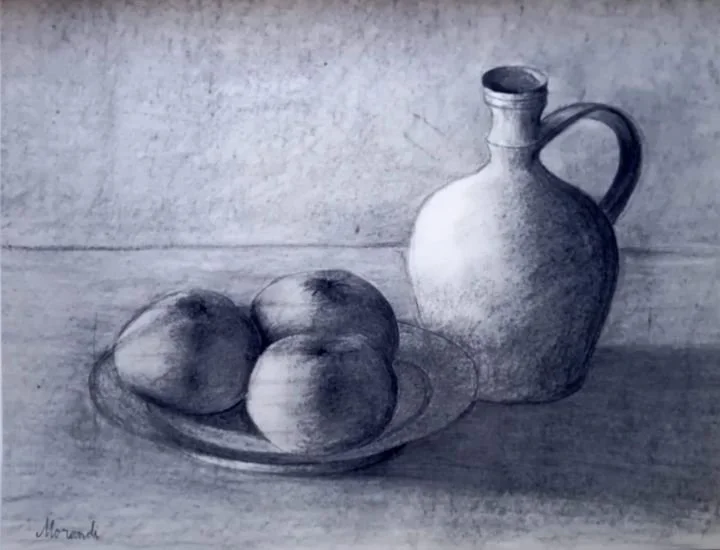
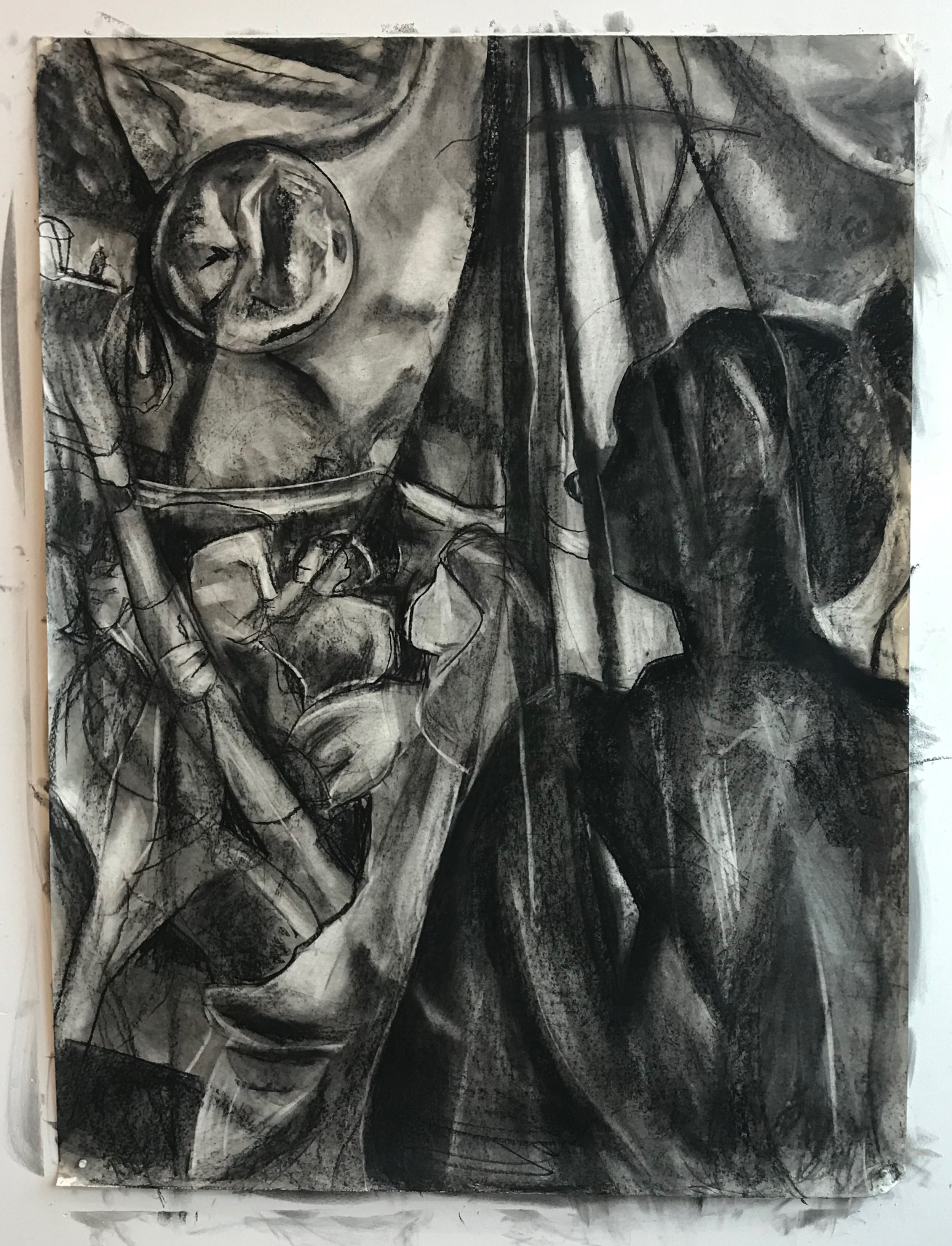
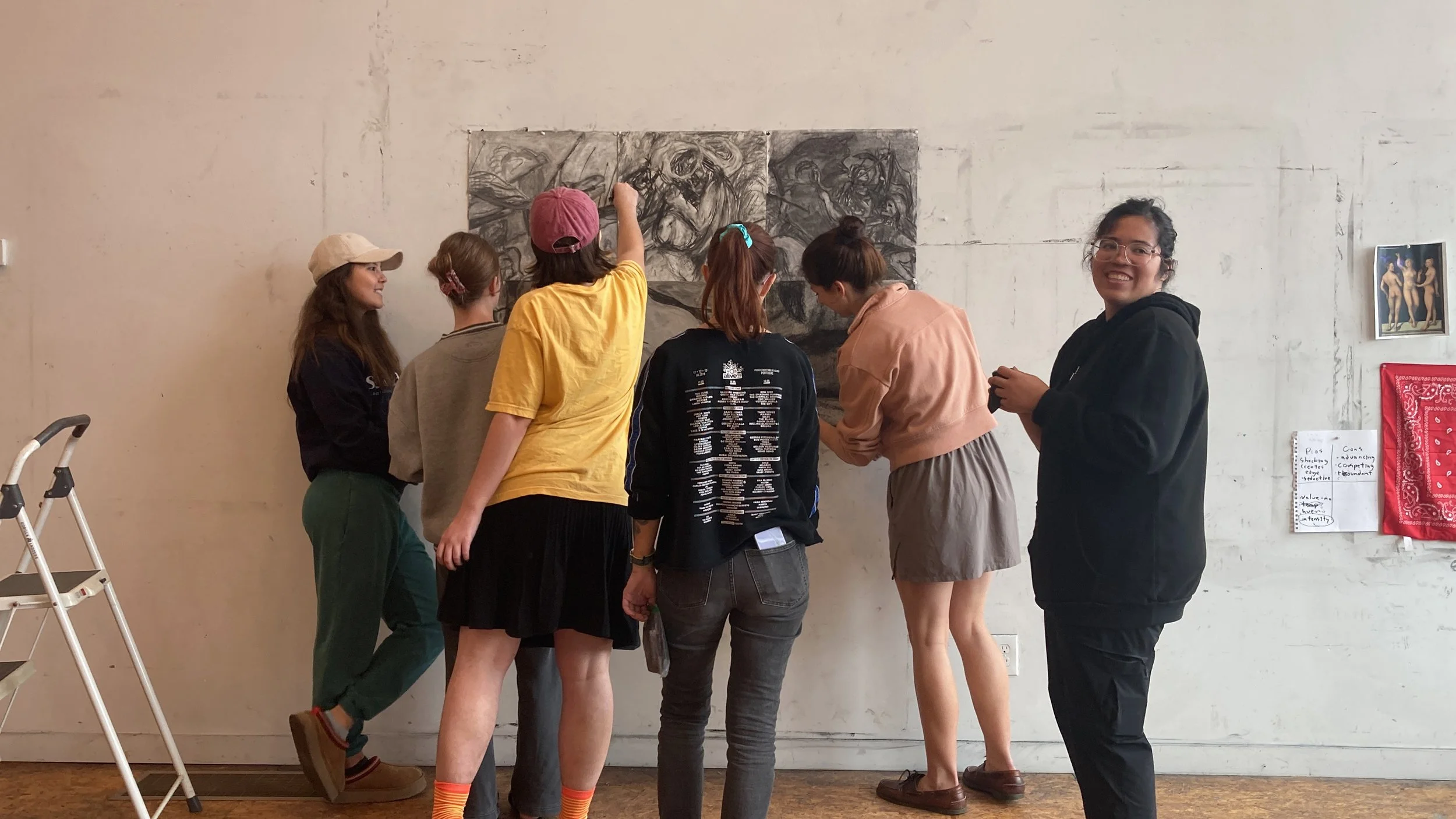
This course explores how to develop a personal and intuitive approach to observational painting. Students will learn to recognize and work with their shifting impulses—embracing contradiction, uncertainty, and change as essential parts of the creative process.
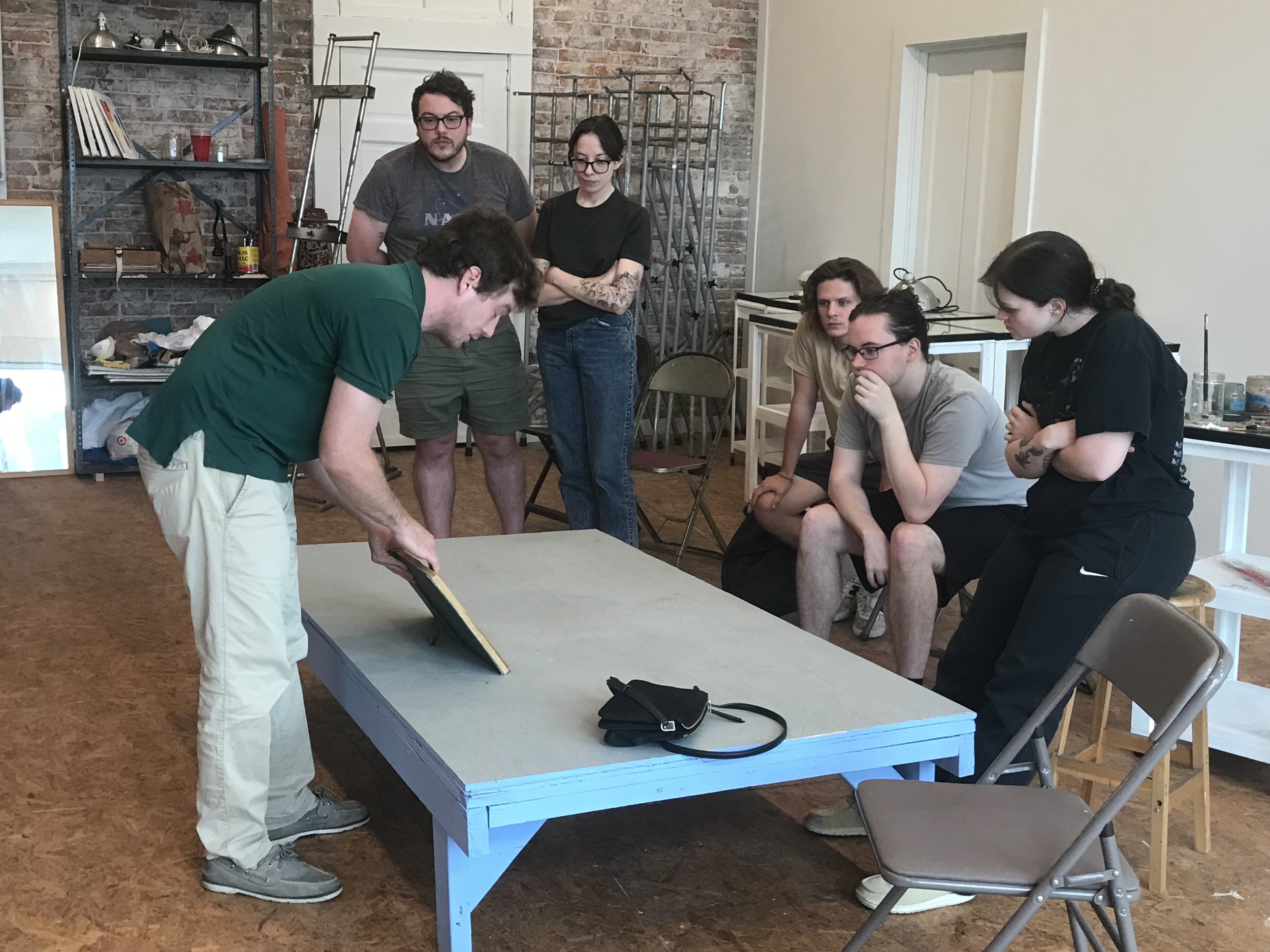
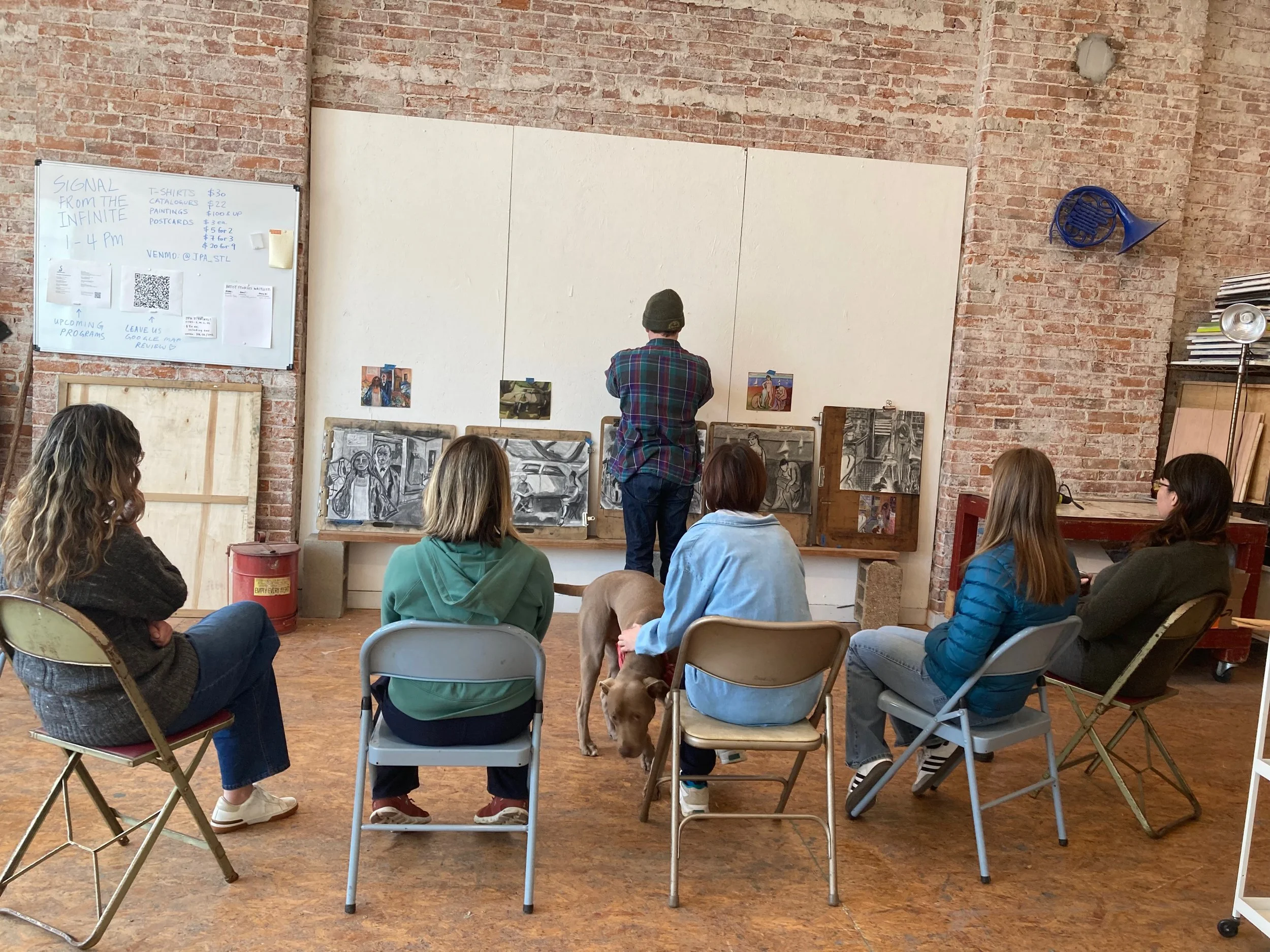
Through guided exercises and critique, the class encourages painters to let the work evolve organically rather than following rigid methods. Emphasis is placed on building a visual language that feels responsive, dynamic, and self-aware.
Students will also experiment with disruptive approaches, such as:
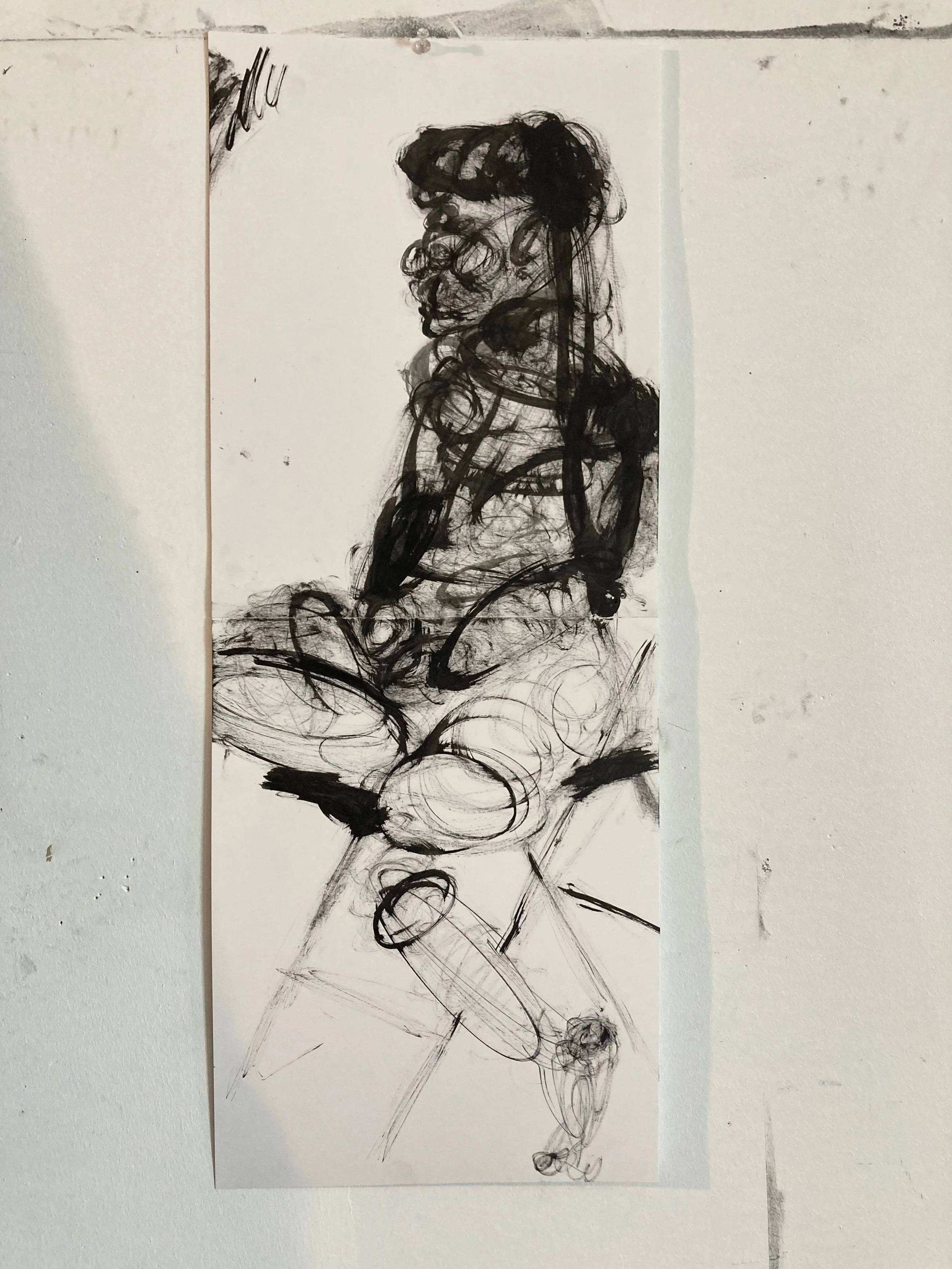
Using the non-dominant hand
Working with unfamiliar tools
Combining multiple viewpoints in a single painting
Incorporating memory and imagination alongside observation
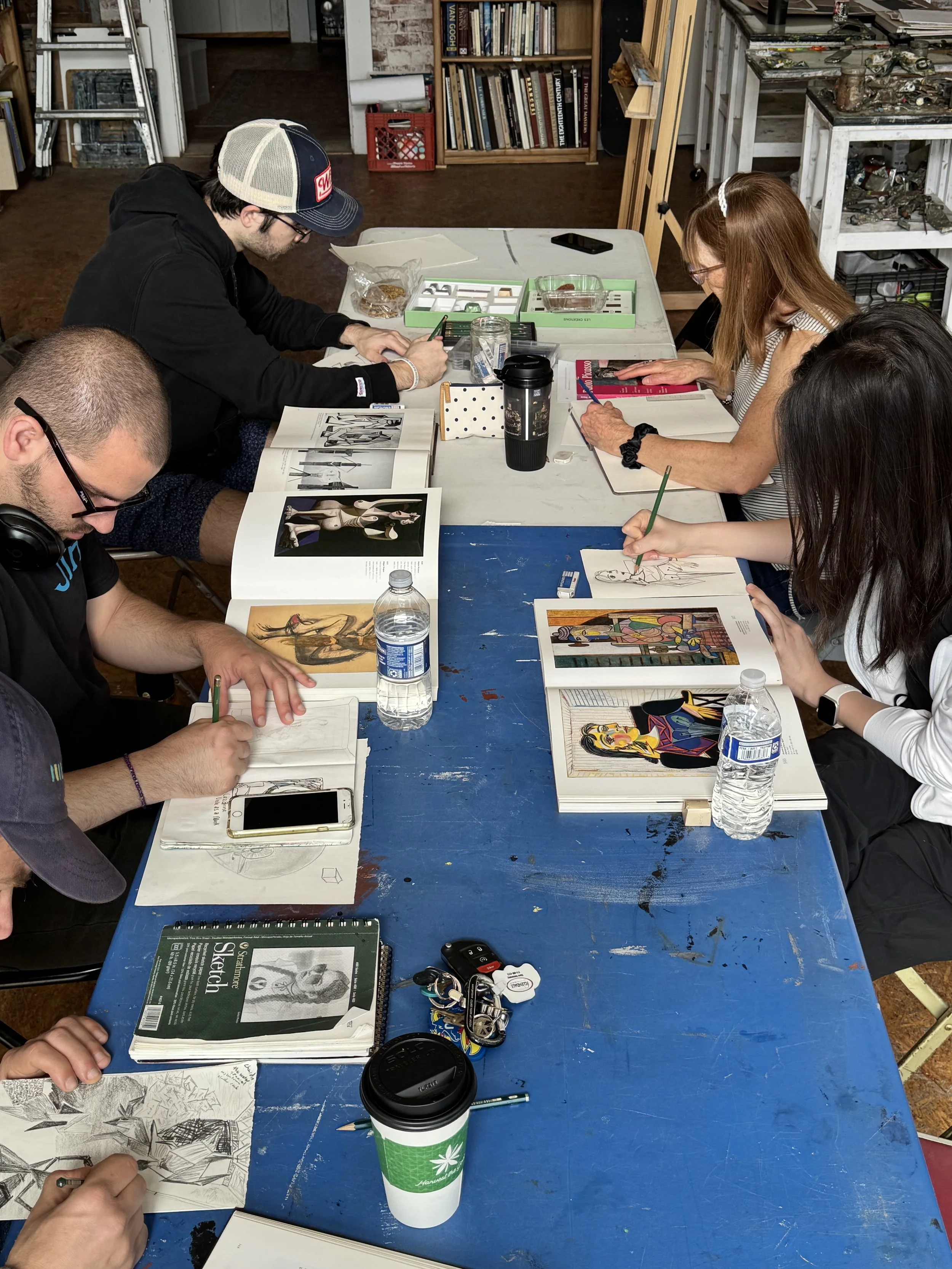
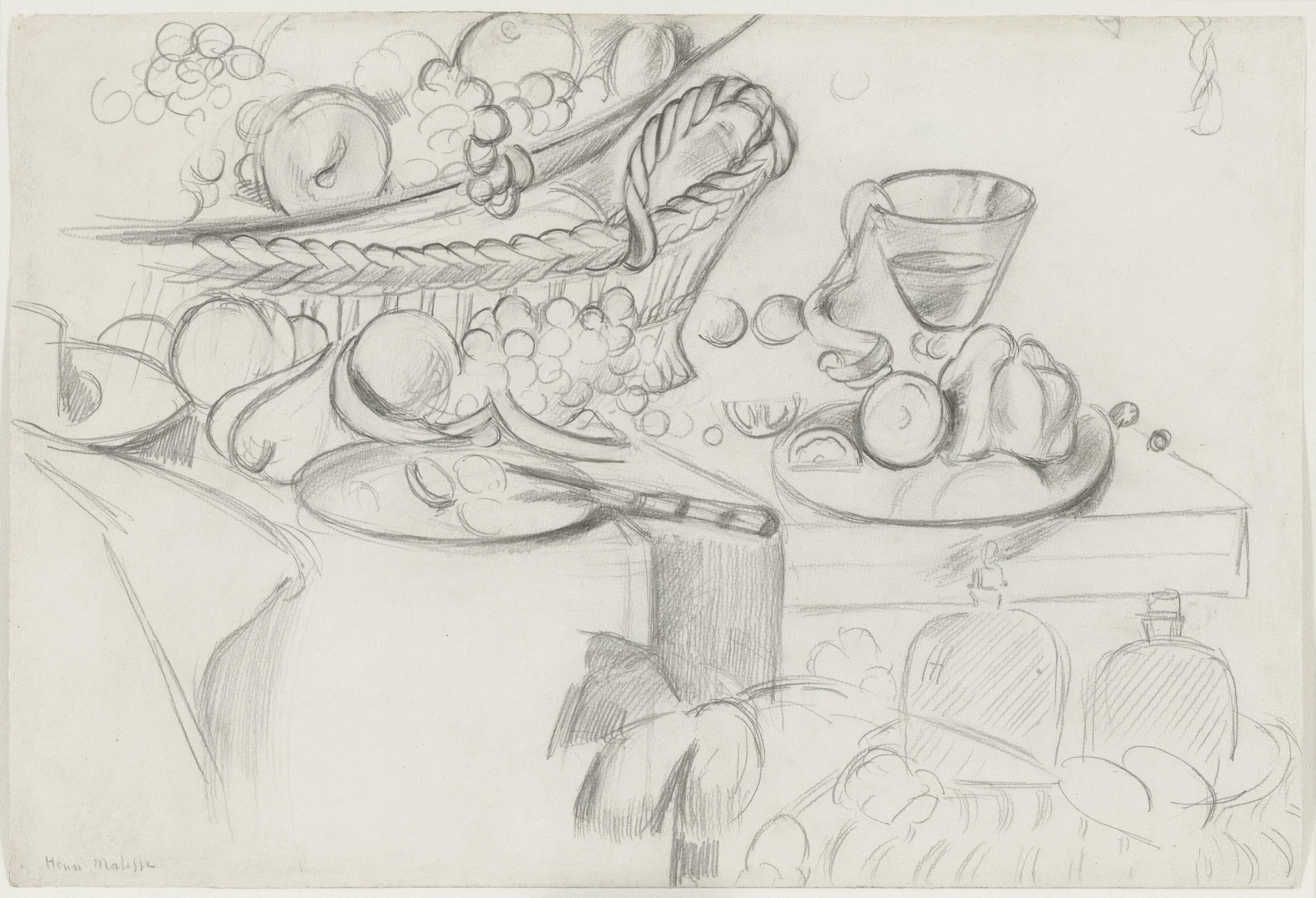
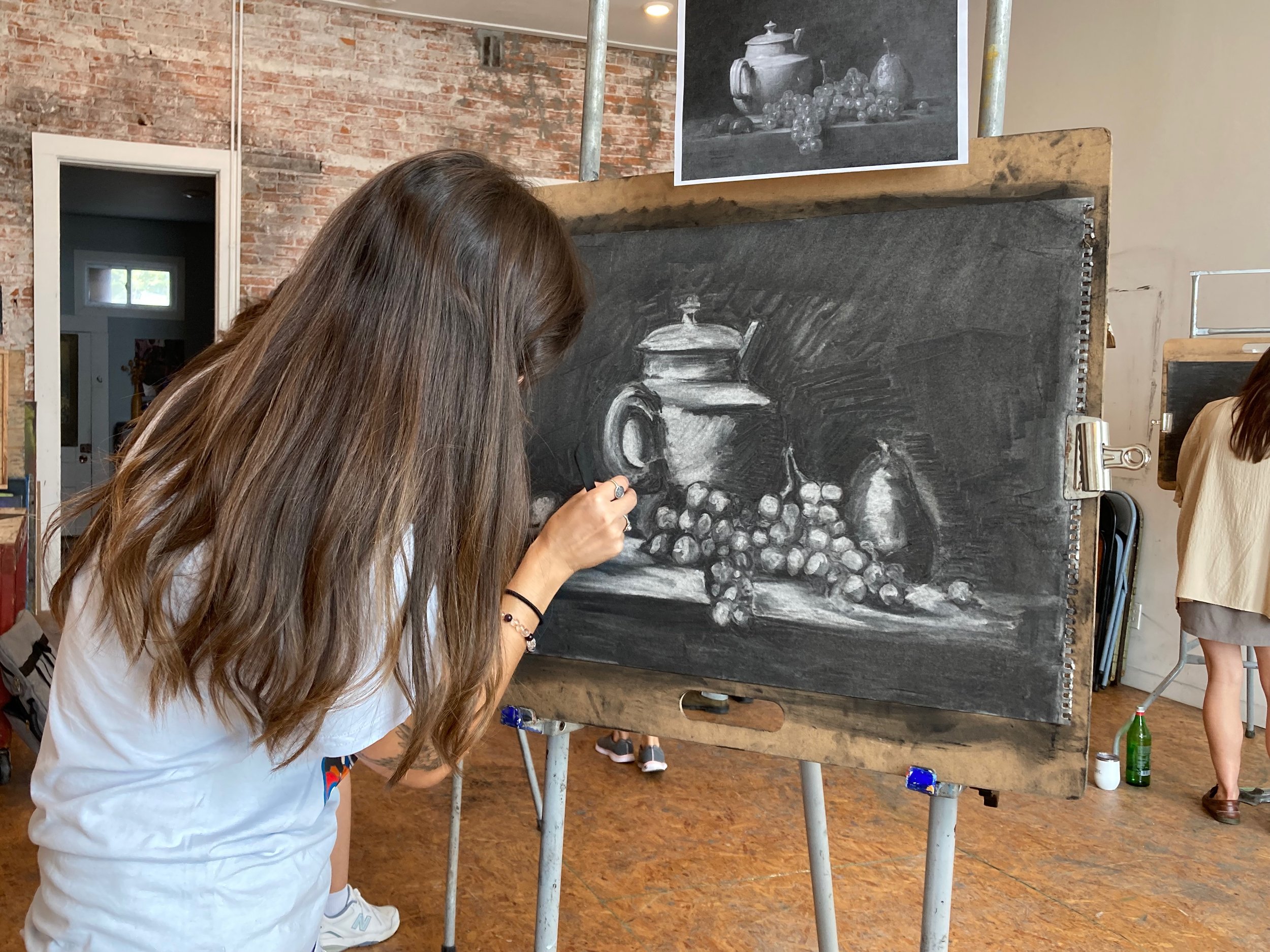
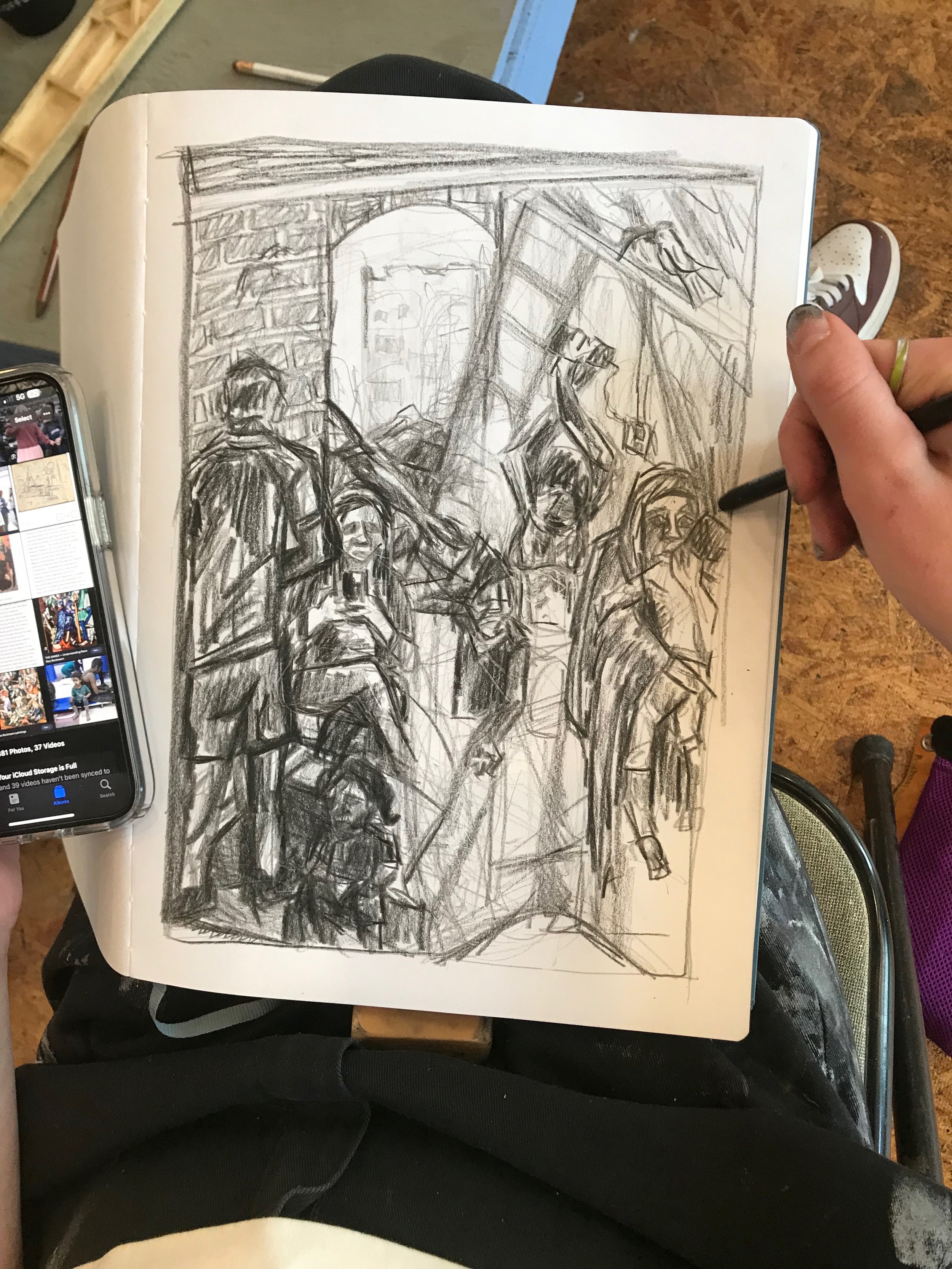
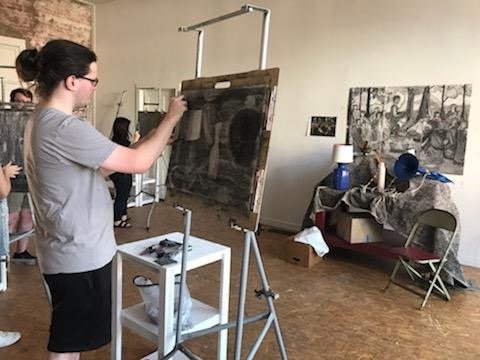
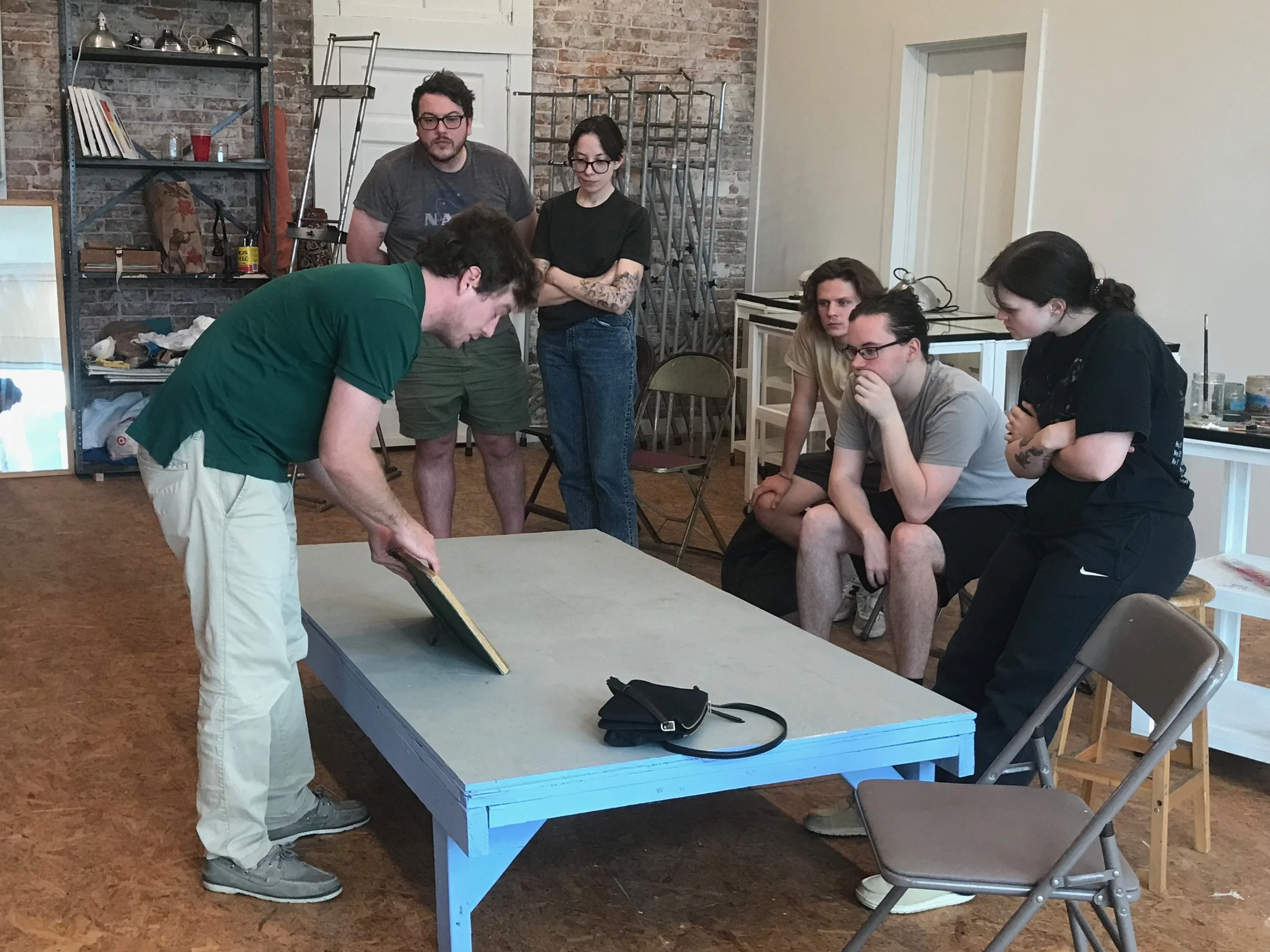
Throughout the term, students will work from a shared still life setup, participate in group critiques, and receive individual feedback. Optional weekly assignments will support continued work outside of class.
Supplies needed:
A Note on Materials: While the instructor will be working in Flashe and Acrylic for this course, students should work in whatever painting medium they are most comfortable with. If students have questions about any of the materials on this list please feel free to email the instructor at: gus.hoffman@gmail.com
Surfaces: Students are encouraged to work on whatever material they are most comfortable with. That said, the painting surfaces listed below are a good place to start.
Paints: Students are encouraged to buy a combination of Golden and Flashe paints. Flashe paint, a matte sign paint, works beautifully for darker pigments such as black, ultramarine, violet, and green. Not all art stores carry Flashe paint. Students might need to order Flashe paint online.
Brushes: A combination of rounds, flats and filbert brushes. Please make sure to have several large brushes.
Additional Items:
*Easels and glass palettes will be provided at the studio.
Sundays 9:30 AM to 1 PM
All Levels
Early Bird ends May 13
Topics include:
Letting the painting lead
Embracing mistakes and unexpected outcomes
Working with conflicting ideas and instincts
Developing sensitivity to space and atmosphere
Building a cohesive and flexible color palette
This course explores how to develop a personal and intuitive approach to observational painting. Students will learn to recognize and work with their shifting impulses—embracing contradiction, uncertainty, and change as essential parts of the creative process.
Through guided exercises and critique, the class encourages painters to let the work evolve organically rather than following rigid methods. Emphasis is placed on building a visual language that feels responsive, dynamic, and self-aware.
Students will also experiment with disruptive approaches, such as:
Using the non-dominant hand
Working with unfamiliar tools
Combining multiple viewpoints in a single painting
Incorporating memory and imagination alongside observation
Throughout the term, students will work from a shared still life setup, participate in group critiques, and receive individual feedback. Optional weekly assignments will support continued work outside of class.
Supplies needed:
A Note on Materials: While the instructor will be working in Flashe and Acrylic for this course, students should work in whatever painting medium they are most comfortable with. If students have questions about any of the materials on this list please feel free to email the instructor at: gus.hoffman@gmail.com
Surfaces: Students are encouraged to work on whatever material they are most comfortable with. That said, the painting surfaces listed below are a good place to start.
Paints: Students are encouraged to buy a combination of Golden and Flashe paints. Flashe paint, a matte sign paint, works beautifully for darker pigments such as black, ultramarine, violet, and green. Not all art stores carry Flashe paint. Students might need to order Flashe paint online.
Brushes: A combination of rounds, flats and filbert brushes. Please make sure to have several large brushes.
Additional Items:
*Easels and glass palettes will be provided at the studio.

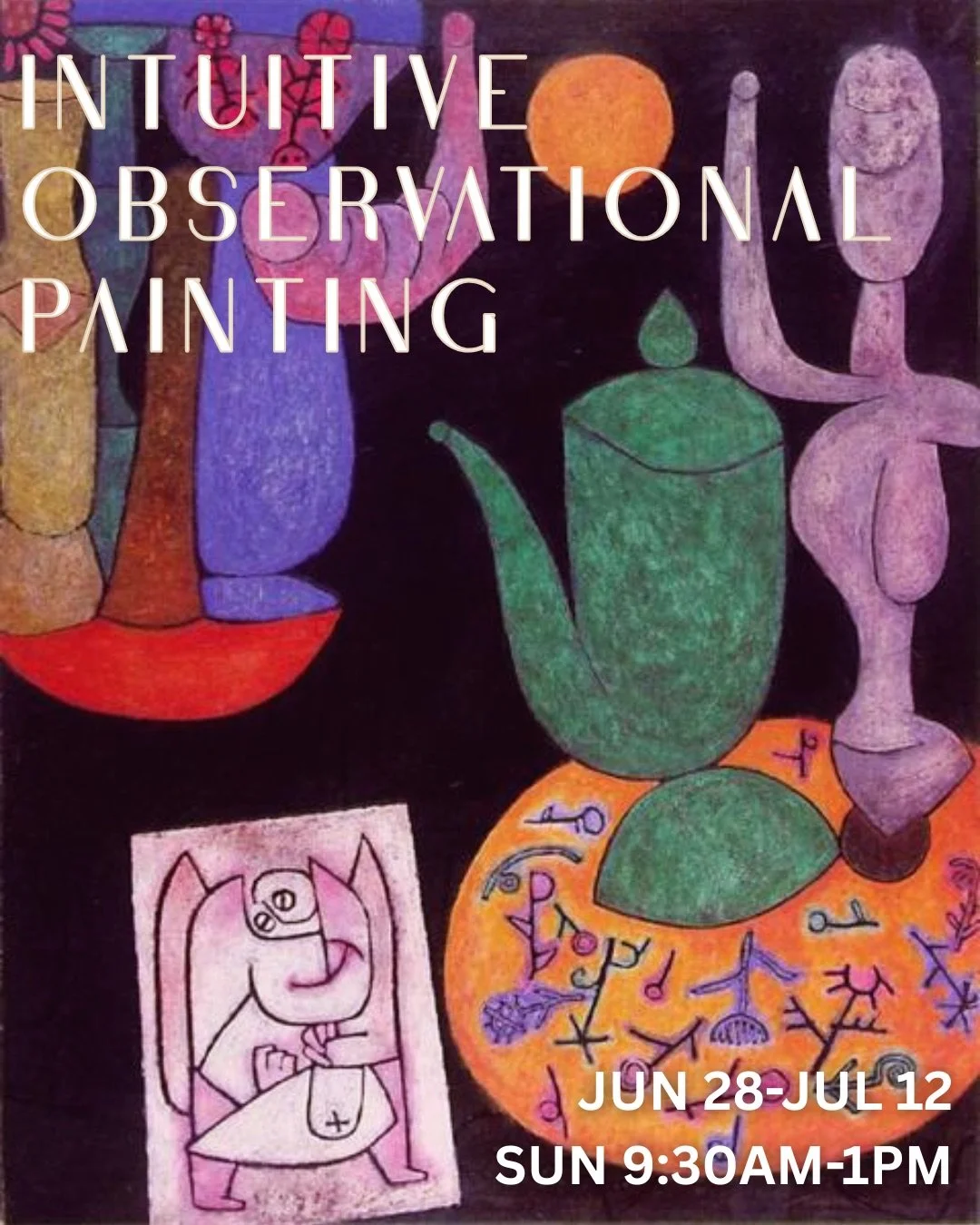 Image 1 of 7
 Image 2 of 7
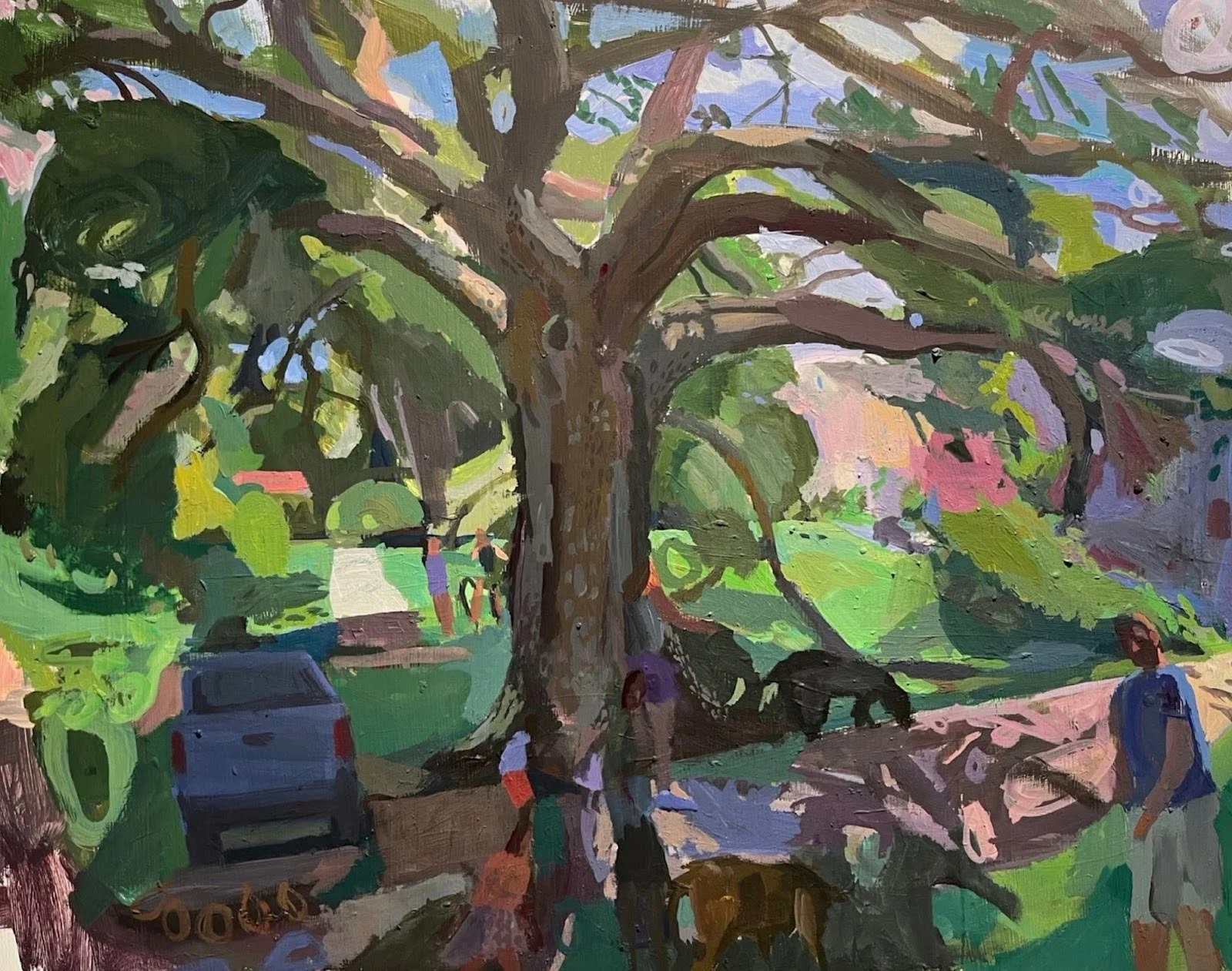 Image 3 of 7
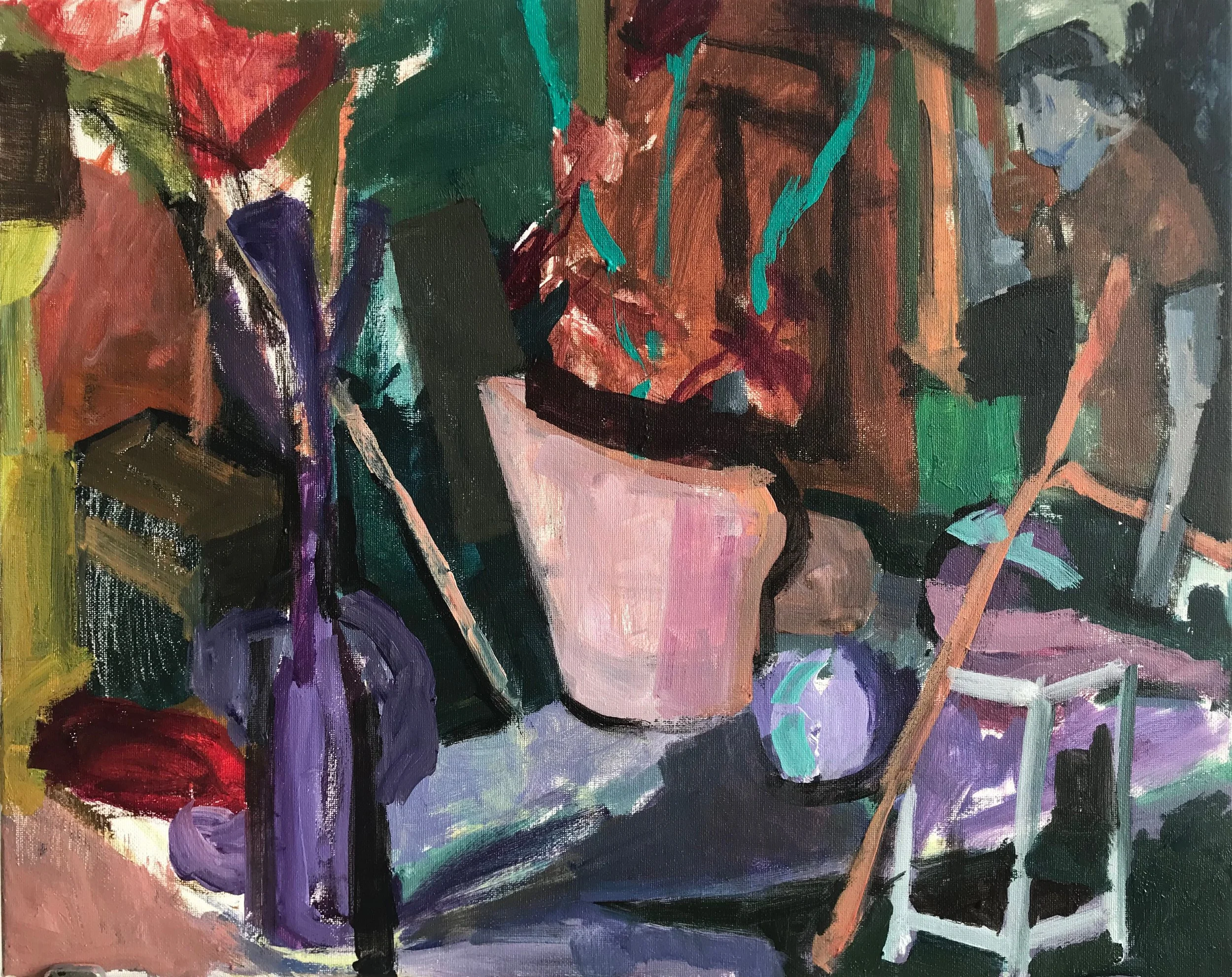 Image 4 of 7
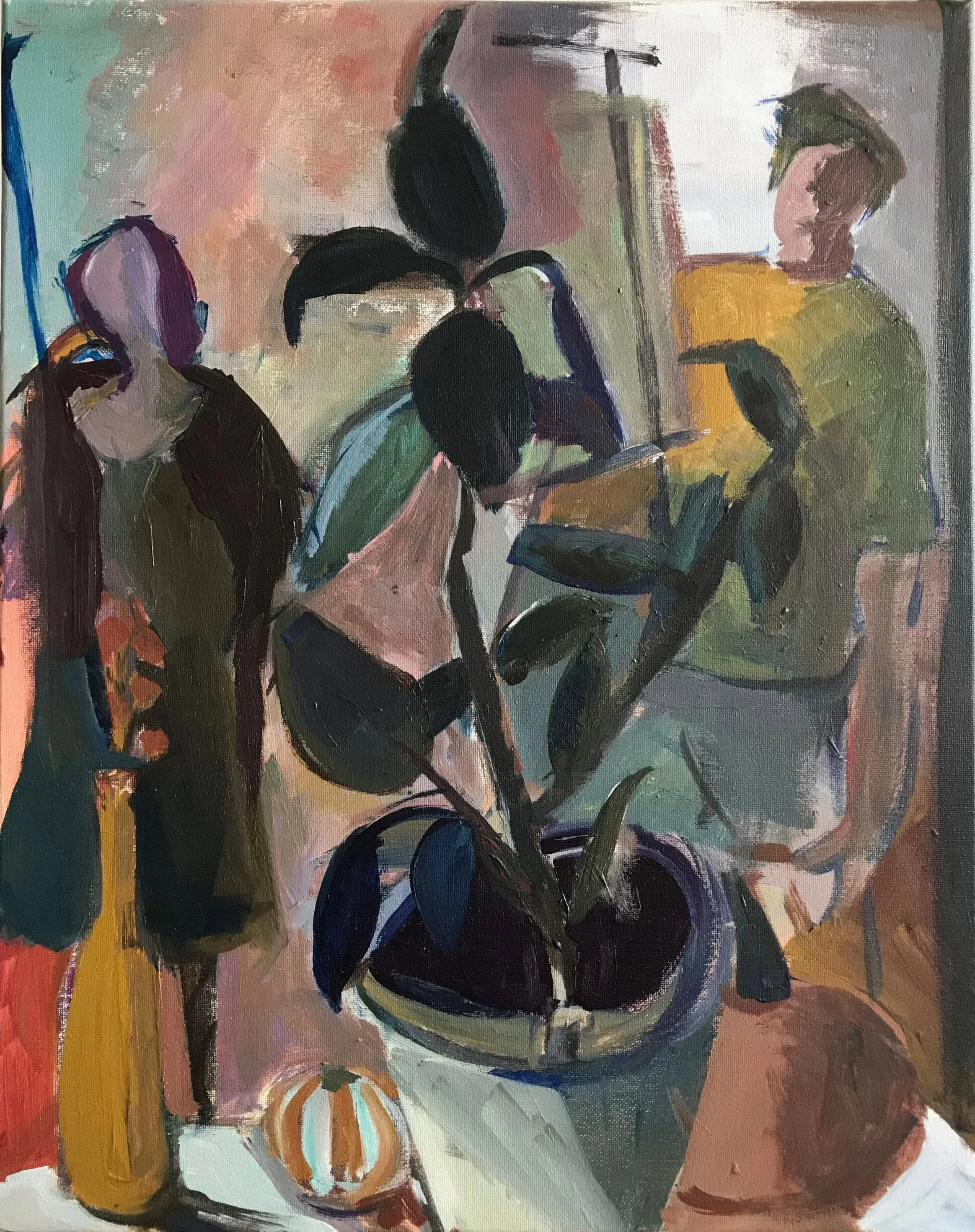 Image 5 of 7
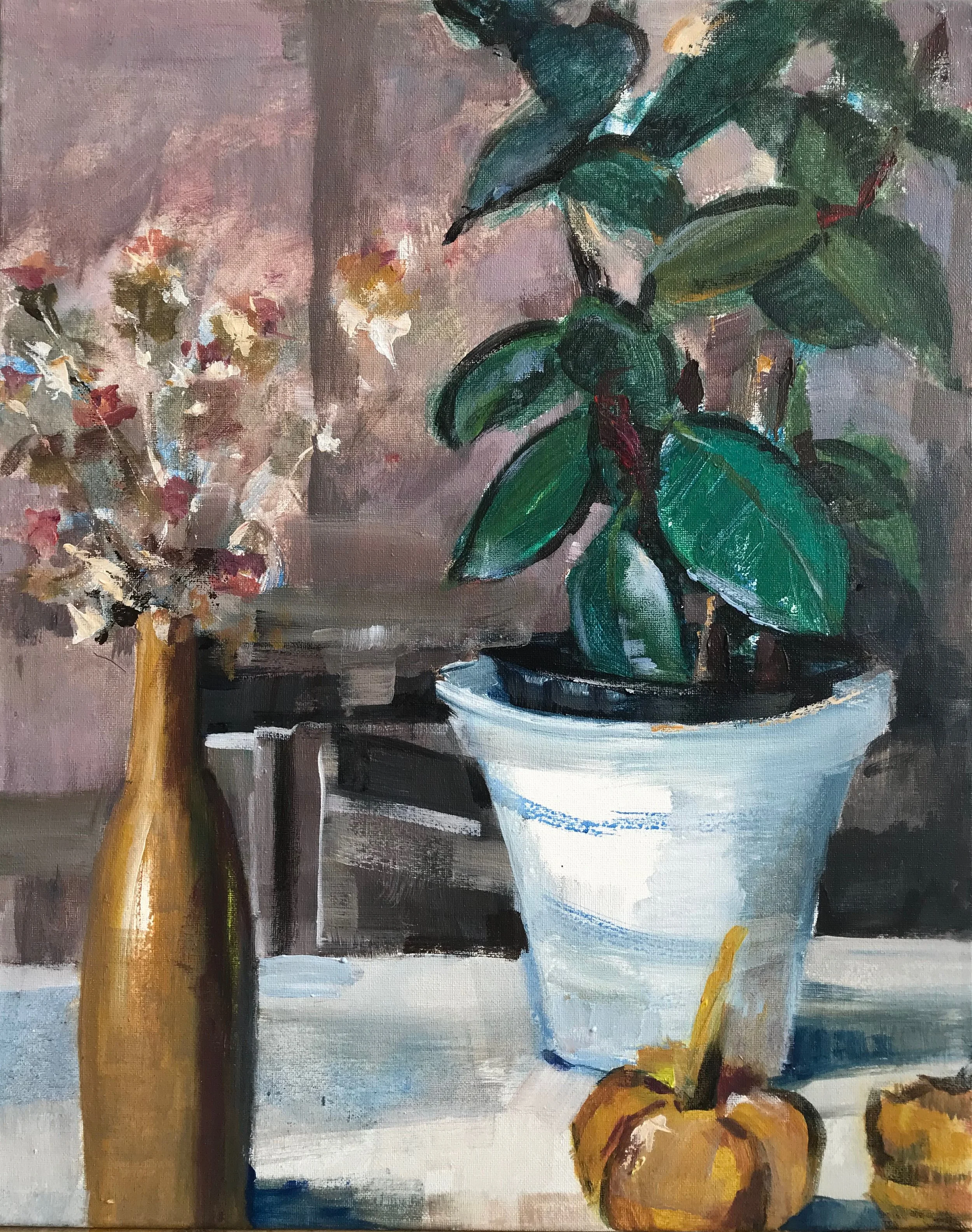 Image 6 of 7
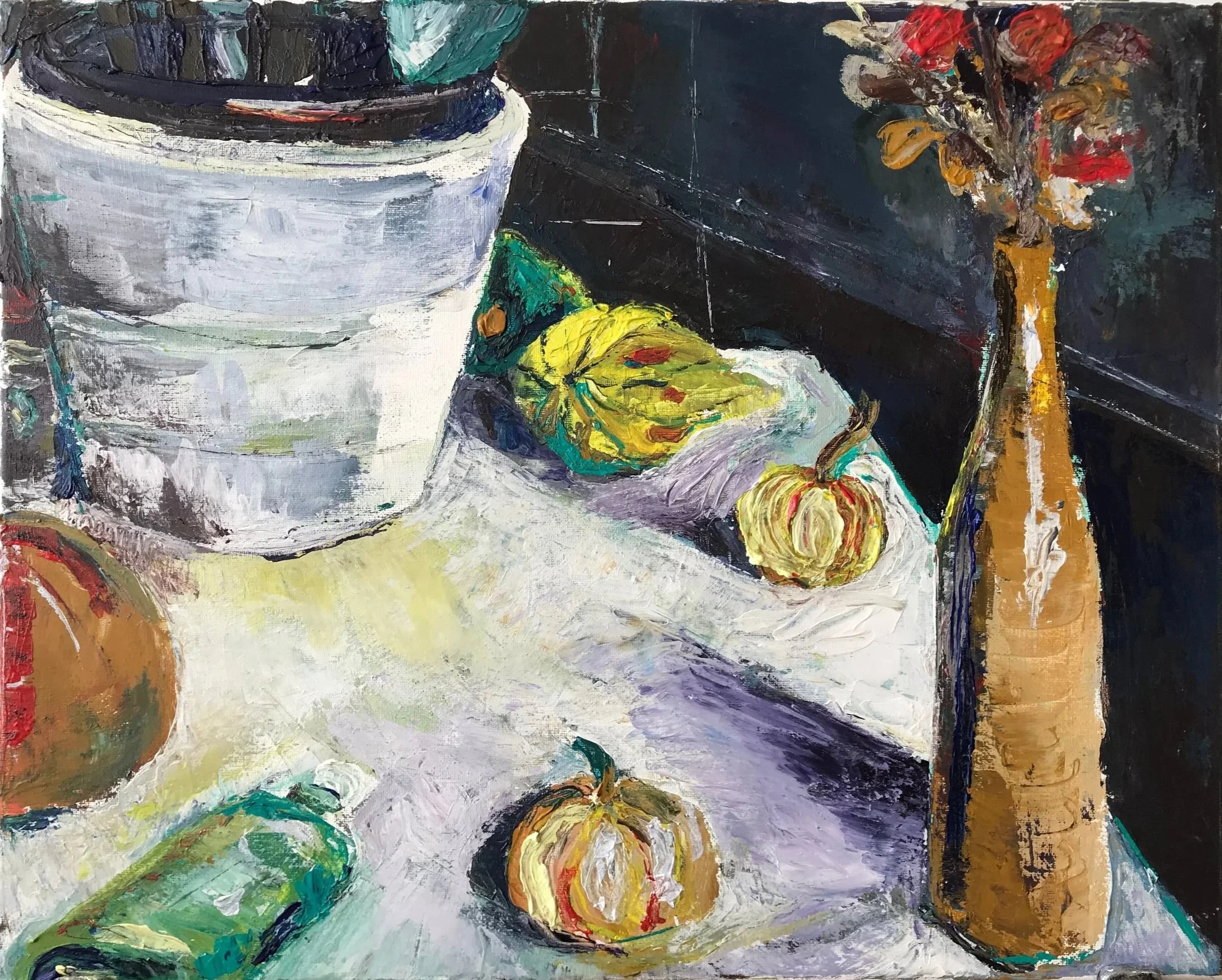 Image 7 of 7